Call Anytime
+91 80878 67383AGRIVENTURE SARVGUN (Mycorrhiza + Trichoderma + Pseudomonas) KIT - Bacterial Product
AGRIVENTURE SARVGUN (Mycorrhiza + Trichoderma + Pseudomonas) KIT - Bacterial Product
Description:
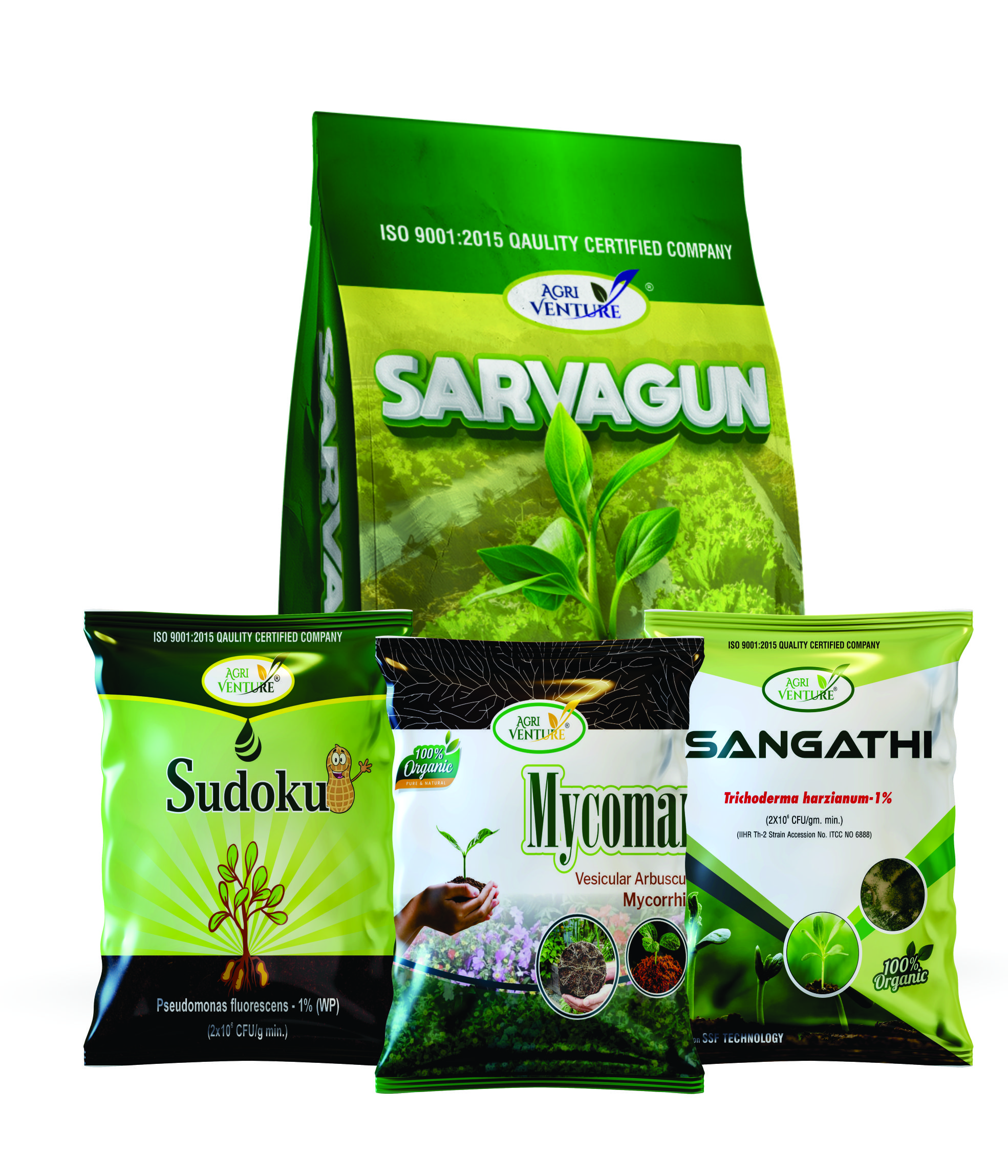
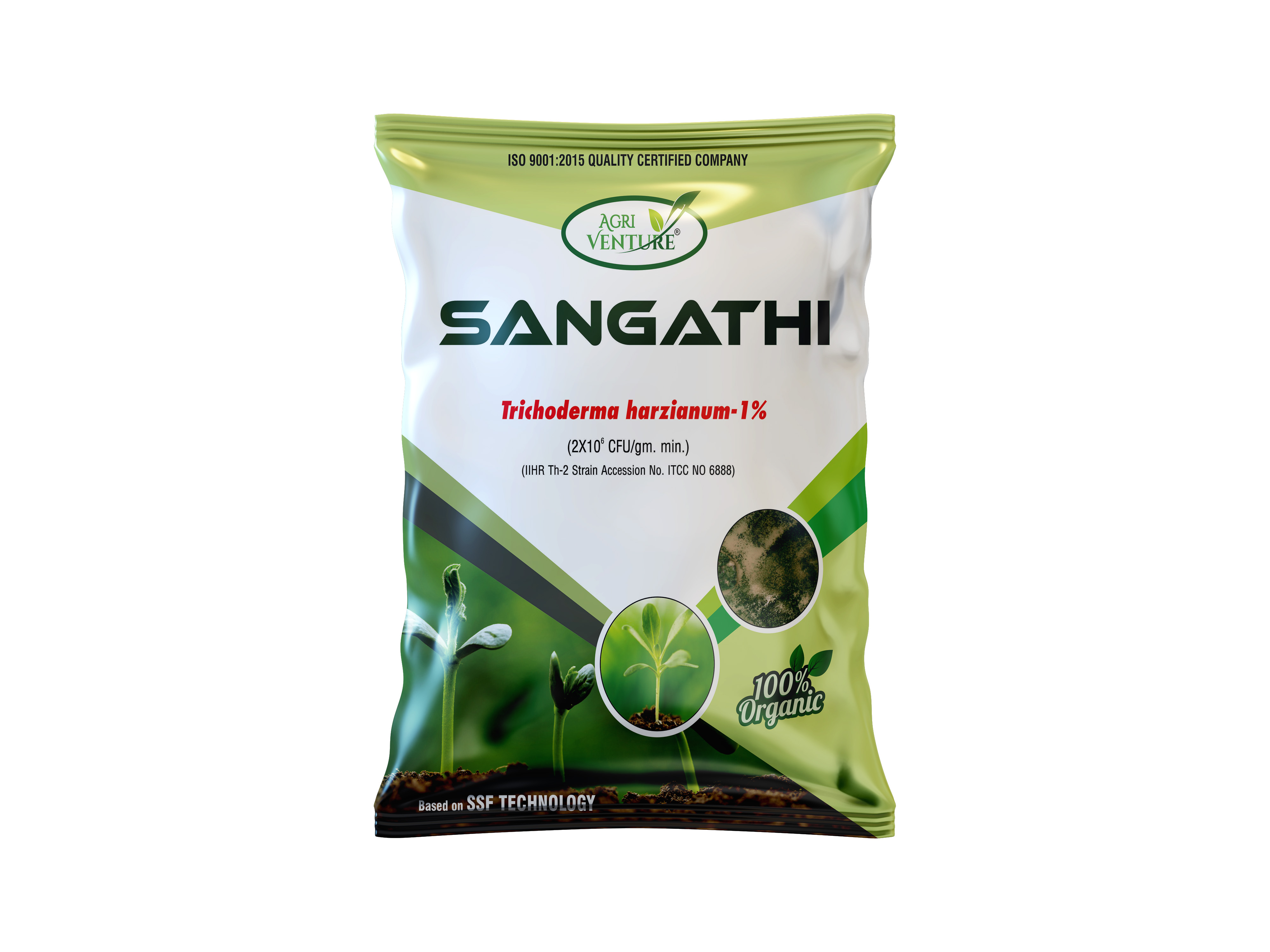
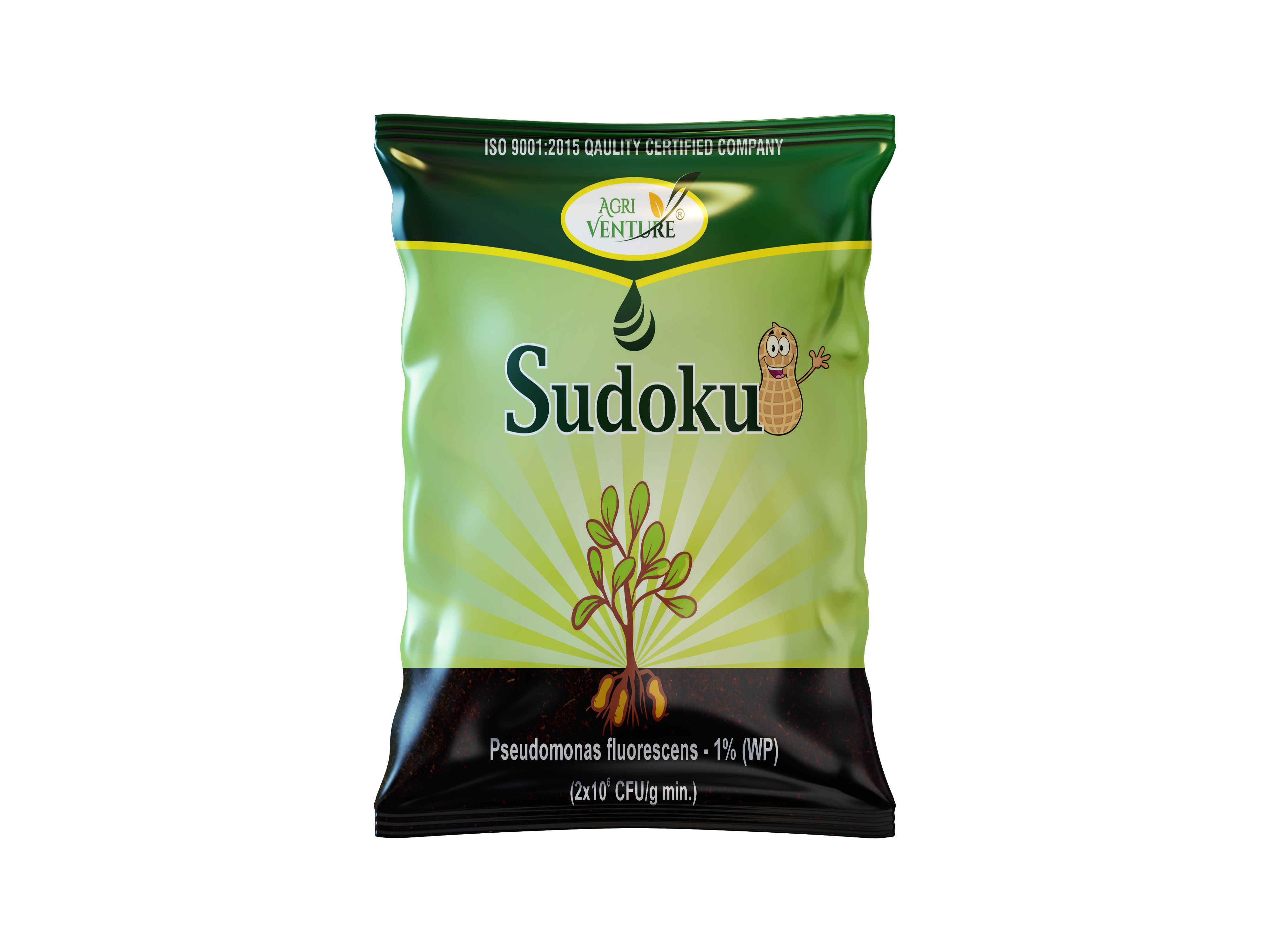
AGRIVENTURE SARVGUN is a combination of MYCOMAN (Vesicular Arbuscular Mycorrhiza), SANGATHI (Trichoderma Harzianum - 1% WP) and SUDOKU (Pseudomonas Flurescens - 1% WP).
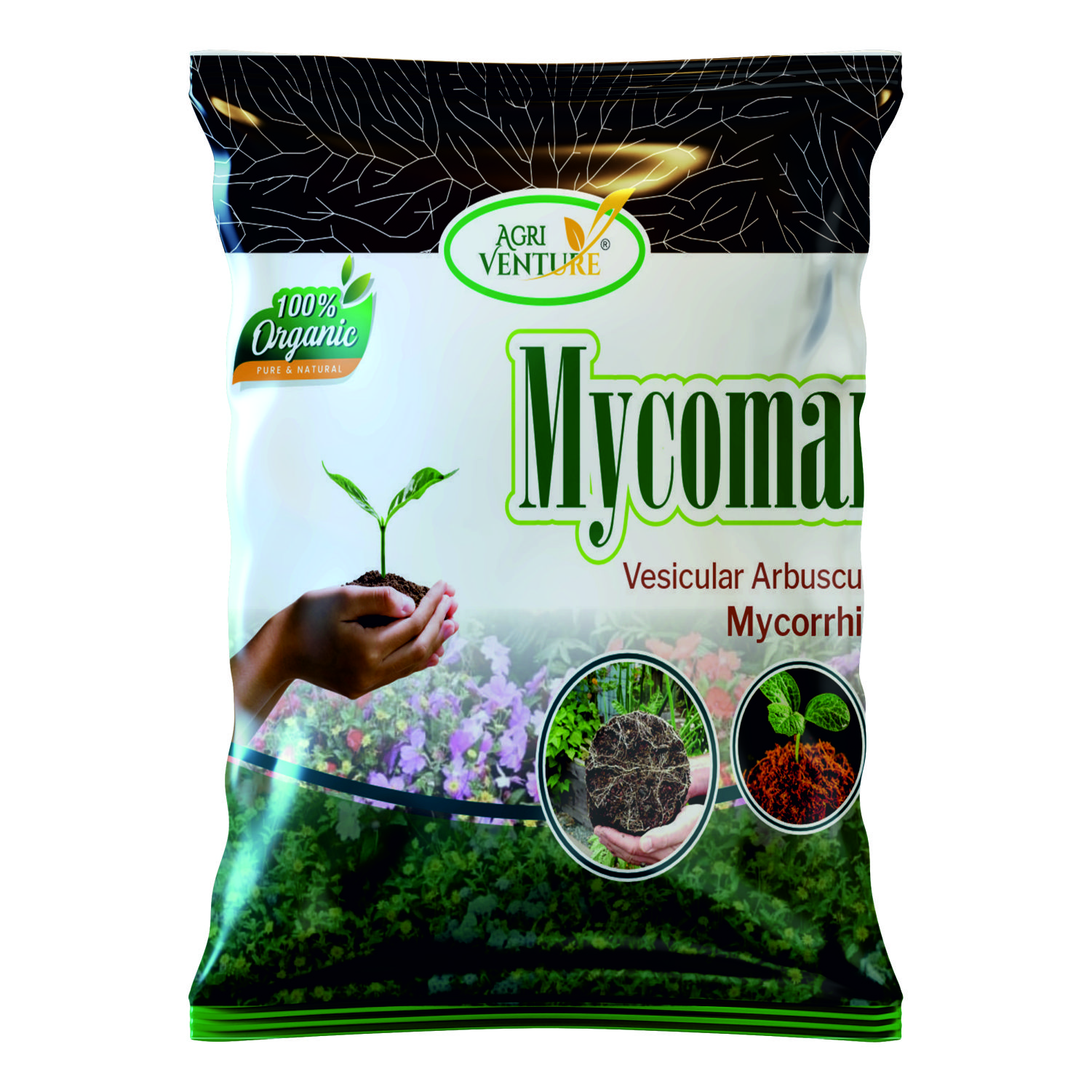
AGRIVENTURE MYCOMAN is a beneficial, mutualistic symbiosis between soil fungi and plant roots. The fungus colonizes the root cortex, forming two hallmark structures: arbuscules (branched, tree-like structures that transfer nutrients into the plant) and vesicles (swollen, sac-like structures that store nutrients).
AGRIVENTURE SANGATHI is an eco-friendly biological fungicide and nematicide used in organic and sustainable agriculture. It contains a minimum spore/CFU count of 2 × 10⁶ per gram and protects crops by parasitizing harmful soil-borne pathogens.
AGRIVENTURE SUDOKU is a natural, eco-friendly bio-fungicide and bio-bactericide containing ≥ 1 × 10⁸ colony-forming units (CFU) per gram. It is widely used in agriculture and home gardening for soil-borne disease prevention and overall crop health promotion.
Technical content: Vesicular Arbuscular Mycorrhiza + Trichoderma Harzianum - 1% WP + Pseudomonas Flurescens - 1% WP
Key Features & Benefits:
1. MYCOMAN
- Enhanced Growth: Improved nutrient and water uptake leads to faster growth, better root development, and higher crop yields.
- Stress Tolerance: VAM helps plants endure abiotic stresses like drought, salinity, and heavy metal toxicity.
- Disease Resistance: The presence of the fungus helps deter root-pathogenic fungi and nematodes from infecting the plant.
- Soil Health: The fungal hyphae secrete glomalin, a glycoprotein that glues soil particles together, improving soil structure and preventing erosion.
2. SANGATHI
- Disease Suppression: Naturally prevents soil-borne fungal pathogens such as Fusarium, Pythium, Rhizoctonia, Phytophthora, and Sclerotinia.
- Nematode Control: Effectively parasitizes plant-parasitic nematodes, reducing egg hatching and protecting roots from root-knot nematodes.
- Root & Shoot Growth: Produces growth-promoting metabolites that stimulate extensive root hair formation for better nutrient and water absorption.
- Nutrient Solubilization: Converts fixed or insoluble soil nutrients (like phosphorus, iron, and manganese) into easily accessible forms for the plant.
- Induced Systemic Resistance (ISR): Triggers a plant's natural defense mechanism, improving its tolerance to abiotic stresses like drought and temperature extremes.
3. SUDOKU
- Disease Control: Prevents root-knot nematodes and fungal wilts (like Fusarium and Verticillium) in crops like tomato, okra, and rice.
- Plant Growth Promotion: Produces plant-growth-regulating hormones to stimulate healthy roots and shoots.
- Induced Resistance: Activates the plant’s natural defense mechanisms against pathogens.
Crops suitability: Universally suitable for all crops.
Commonly used for (Insect / Diseases): AGRIVENTURE SARVGUN serves as a natural biocontrol agent that boosts the plant's immune system against specific soil-borne diseases and root-feeding pests. It also controls fungal pathogens, nematodes, root-knot nematodes, blast, sheath blight, bacterial leaf blight, late blight, loose smut, damping-off, panama wilt, crown gall, anthracnose and root rot.
Mode of entry: Contact and Systemic (via root and Cortical colonization)
Mode of action:
1. MYCOMAN
How the Symbiosis Works:
- Nutrient Exchange: Plants supply the fungi with sugars and carbon produced via photosynthesis. In return, the fungal network acts as an extension of the root system, greatly expanding the surface area to absorb immobile nutrients from the soil.
- Nutrient Uptake: VAM is highly effective at mobilizing and delivering phosphorus, zinc, copper, and sulfur to the host plant.
2. SANGATHI
The formulation operates through five distinct mechanisms to protect crops and boost vitality:
- Mycoparasitism: The Trichoderma fungi actively grow towards and coil around pathogenic fungi. They secrete chitinolytic enzymes (such as chitinases and glucanases) that dissolve and break down the cell walls of pathogens.
- Competition: It acts as a contact-based inoculant that rapidly colonizes the root zone (rhizosphere). By doing so, it aggressively competes for essential space and soil nutrients, starving harmful pathogens before they can establish themselves.
- Antibiosis: It secretes toxic secondary metabolites and enzymes (like gliotoxin, viridin, and trichodermin) that directly inhibit the growth and development of plant-damaging fungi.
- Induced Systemic Resistance (ISR): It triggers the plant’s internal defense mechanisms, making the plant more robust against subsequent foliar and root diseases.
- Plant Growth Promotion: The beneficial fungus produces organic acids and enzymes (like ACC-deaminase and IAA) that enhance root development, break down organic matter, and improve overall nutrient uptake.
3. SUDOKU
- Contact & Systemic Action: The beneficial bacteria enter the plant tissue and colonize the root zone (rhizosphere). Once inside and established, they suppress pathogens both on the surface (contact) and by moving systemically within the plant's vascular system.
- Competitive Exclusion: The bacteria aggressively colonize the root surfaces, leaving no space or food for harmful fungi or nematodes to settle (a "healthy crowd" mechanism).
- Antibiosis: It secretes secondary metabolites, enzymes, and antibiotics (like pyoluteorin) that directly inhibit the growth and development of harmful fungal and bacterial pathogens.
- Parasitism: The bacteria attach to the cell walls of harmful fungal pathogens and derive nutrients from them, eventually destroying the pathogen.
- Induced Systemic Resistance (ISR): It triggers the plant's natural immune system, making the crop inherently stronger and more resistant to future airborne, seed-borne, or soil-borne diseases.
Mode of application: Seed Treatment, Nursery Bed Treatment, Seedling Dip, Soil Drenching, Soil Application, Drip Irrigation
Dose: 1 kit in 1 acre
Additional information:
- Chemical Incompatibility: Do NOT mix Agriventure Sarvgun with chemical bactericides or synthetic pesticides, as they will kill the beneficial live spores. Maintain a gap of 10–15 days before or after any chemical spray.
- Organic Compatibility: Completely safe and highly effective to use alongside biofertilizers and farm yard manure (FYM).
- Storage: Store in a cool, dry place away from direct sunlight to maintain a high Colony Forming Unit (CFU) count.
Available Sizes
3 KG
Dose
1 kit in 1 acre
Buy Now



×
![]()