

Call Anytime
+91 80878 67383AGRIVENTURE KHETI UDAY (Azotobacter) - Bacterial Product
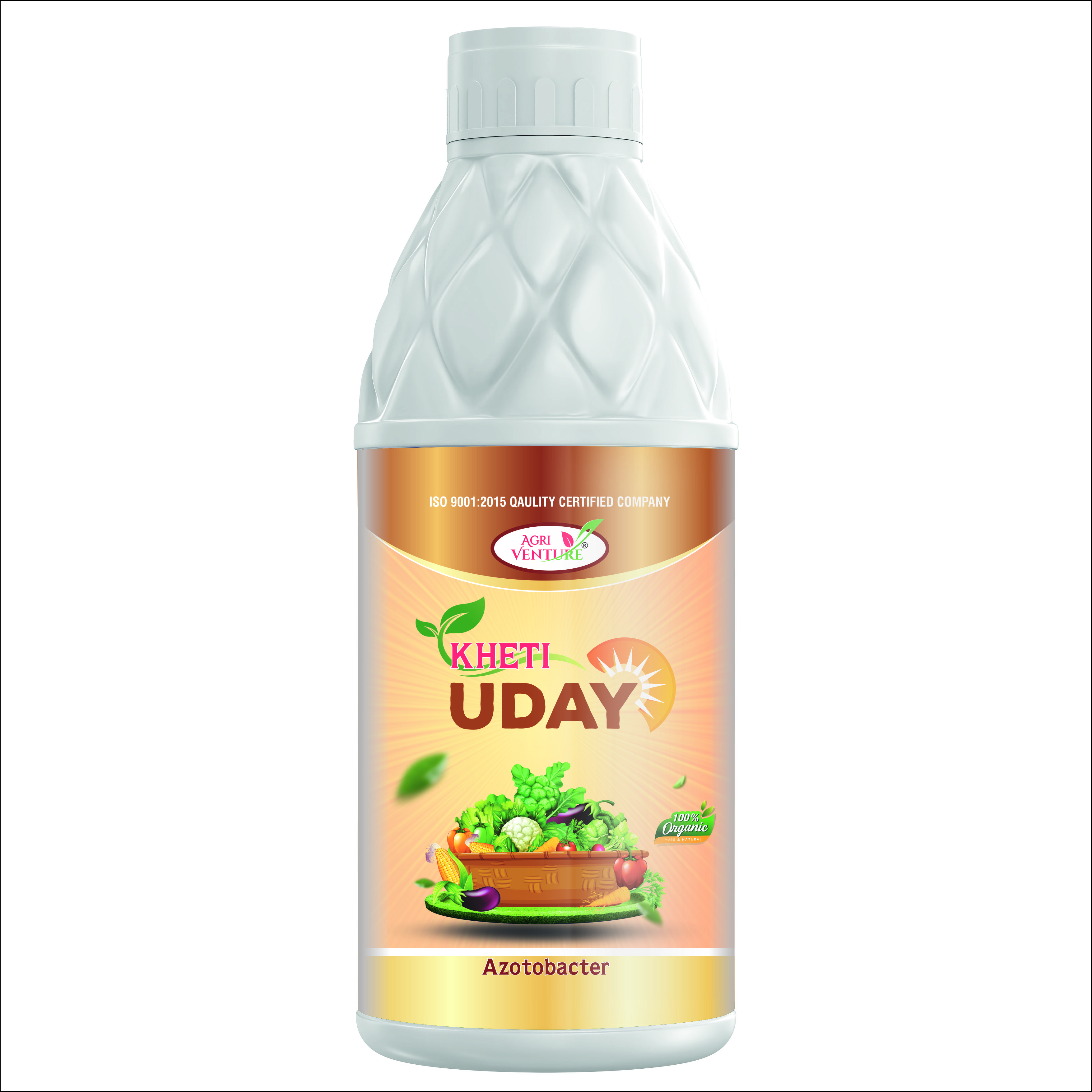
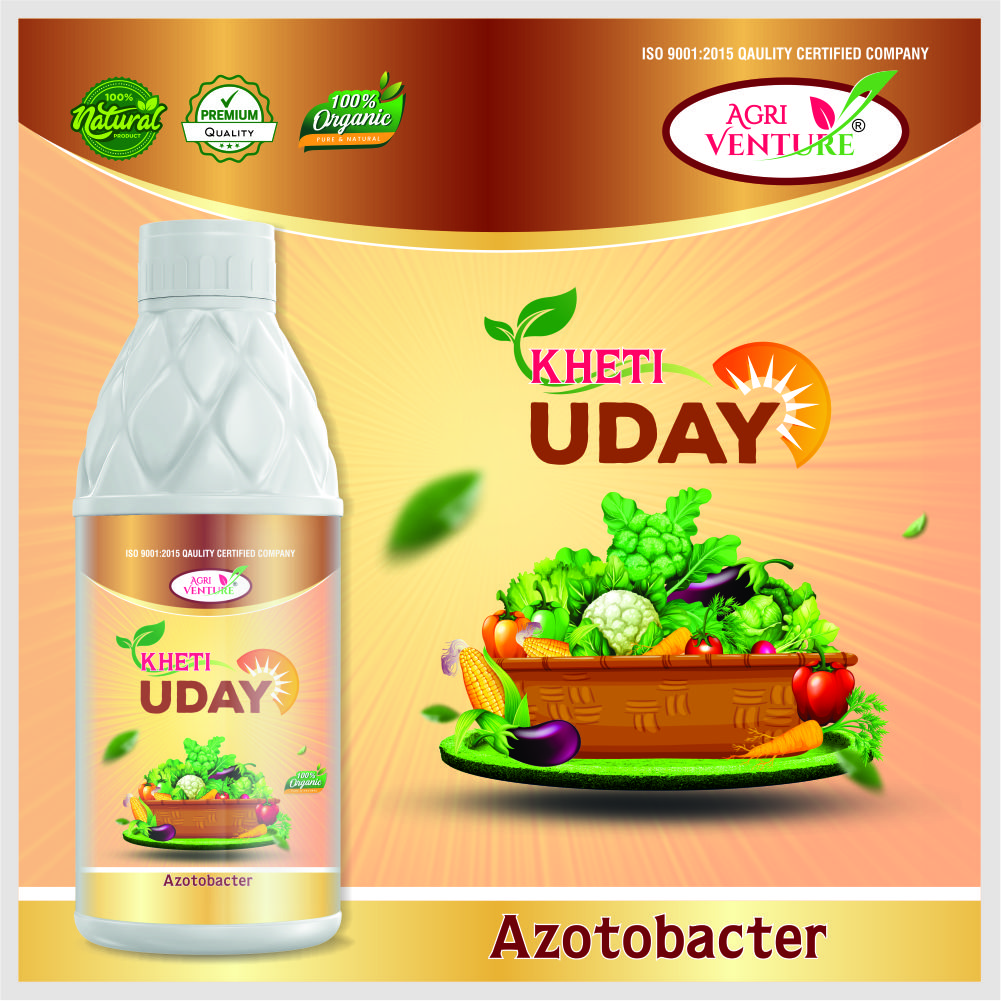

AGRIVENTURE KHETI UDAY (Azotobacter) - Bacterial Product
Description:
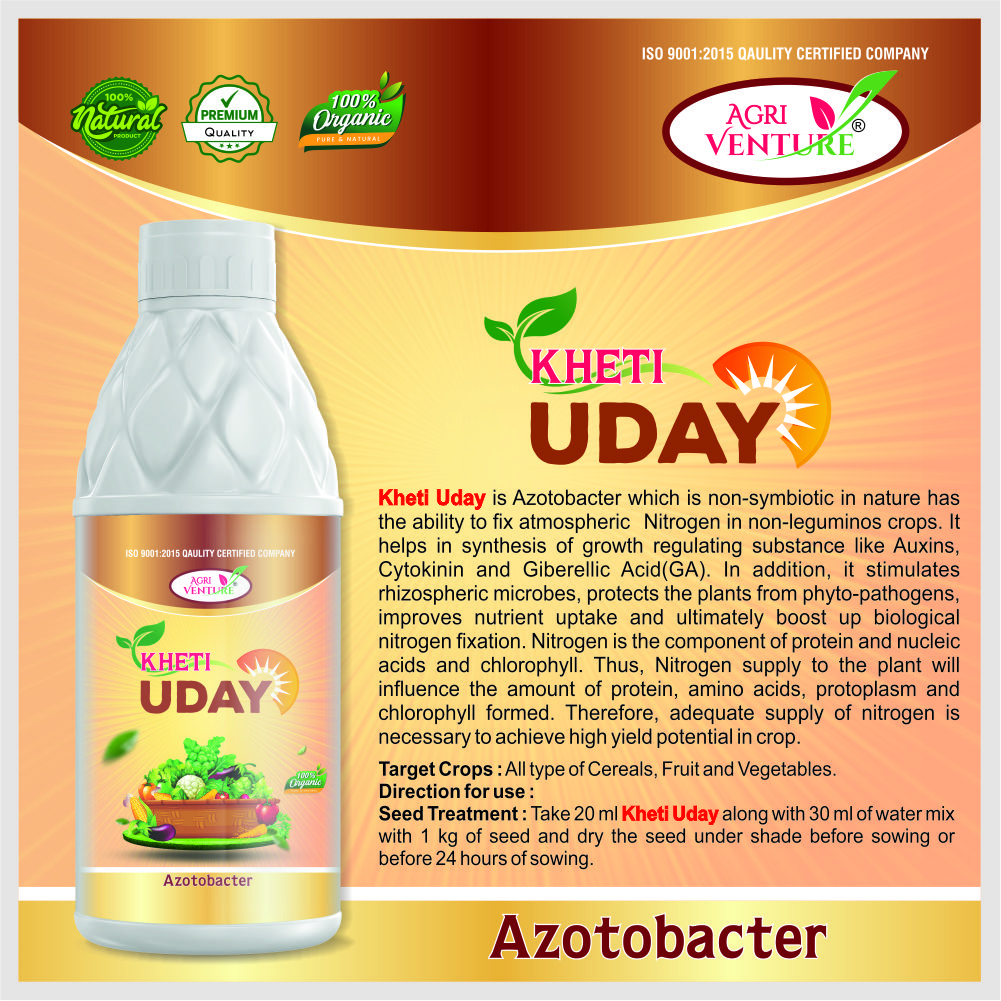
AGRIVENTURE KHETI UDAY is a free-living, nitrogen-fixing bacterium used in agriculture as a natural biofertilizer. It converts atmospheric nitrogen into usable ammonia for non-leguminous crops (such as wheat, cotton, and sugarcane), while also secreting growth-promoting hormones and antifungal compounds that enhance overall plant health and yields.
Technical content: Azotobacter
Key Features & Benefits:
- Biological Nitrogen Fixation: Replaces a portion of synthetic nitrogen fertilizers by fixing roughly 30 kg of nitrogen per hectare annually.
- Growth Promotion: Synthesizes vital phytohormones like auxins (IAA), gibberellins, and vitamins (B-group), which significantly boost root development and early seedling growth.
- Disease Suppression: Produces natural antifungal antibiotics that mitigate seedling mortality and protect the root zone from pathogens like Fusarium and Alternaria.
- Nutrient Solubilization: Releases organic acids that help break down complex organic matter, improving the availability of soil phosphorus and micronutrients.
Crops suitability:
- Cereals & Millets: Wheat, paddy (rice), maize, and pearl millet.
- Cash Crops: Cotton and sugarcane.
- Vegetables: Tomato, cabbage, peppers (chili), and leafy greens like lettuce.
- Other Suitable Crops: Sunflower, mustard, safflower, and various fruit and plantation crops.
Commonly used for (Insect / Diseases):
While primarily used for N-fixation, Azotobacter indirectly protects crops against various plant pathogens and fungi by secreting antibiotic-like substances and siderophores that starve pathogens.
- General Fungal Diseases: Suppresses root rots, wilts, and blights by outcompeting harmful fungi in the rhizosphere (root zone).
- Soil Pathogens: Produces metabolites that act as natural inhibitors against various phytopathogenic bacteria and fungi.
- Insect Repellency: Acts as a mild biological control; although not a synthetic pesticide, its stimulation of plant health and natural biochemical exudates helps make crops less vulnerable to certain insect attacks.
Mode of entry: Azotobacter is typically applied through soil inoculation to colonize the root zone (rhizosphere).
Mode of action:
- Biological Nitrogen Fixation (BNF): Using the nitrogenase enzyme complex, Azotobacter captures atmospheric nitrogen gas and converts it into ammonia. This fixed ammonia is released into the root zone, directly fueling plant growth while cutting dependency on synthetic fertilizers by up to 25%.
- Phytohormone Production: The bacteria naturally synthesize plant growth-promoting substances—specifically auxins (IAA), gibberellins (GA), and cytokinins. These hormones promote rapid seed germination, stimulate root hair development, and increase shoot length.
- Nutrient Solubilization: Azotobacter aids in the breakdown of organic matter and produces organic acids that help convert insoluble, soil-bound phosphorus into forms that plants can easily absorb.
- Biocontrol and Siderophore Production: These beneficial bacteria produce siderophores (iron-chelating compounds) that bind soil iron, starving harmful soil-borne pathogens. They also secrete antibiotic substances that suppress fungi and bacteria responsible for root rot and wilting.
- Vitamins & Amino Acids: It excretes vital vitamins (such as B-group vitamins) into the rhizosphere, boosting the plant's overall metabolism and stress tolerance.
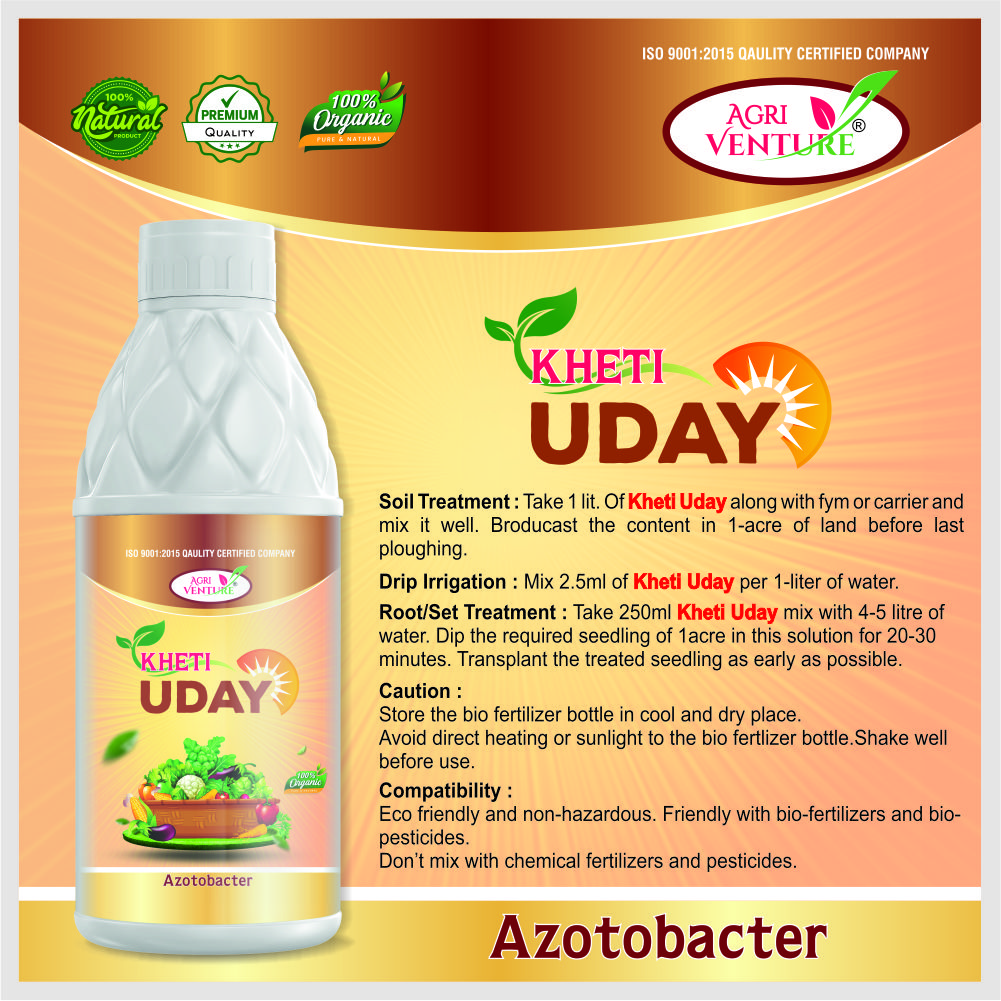
Mode of application: Seed Treatment, Nursery Bed Treatment, Seedling/Root Dip, Soil Application, Drip Irrigation
Dose: 1 liter in 1 acre
Available Sizes
1 LTR
Dose
1 liter in 1 acre
Buy Now


×
![]()