

Call Anytime
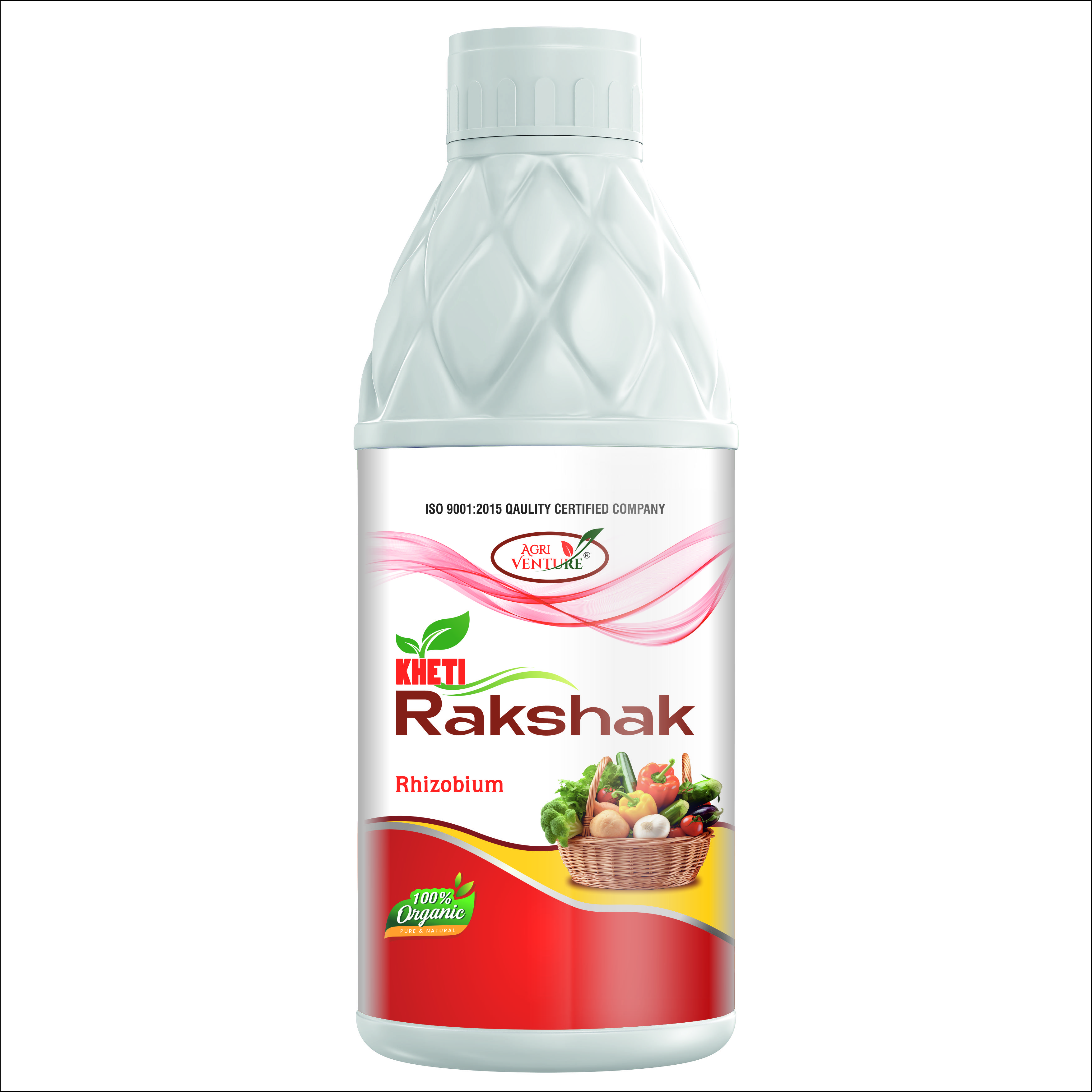
+91 80878 67383AGRIVENTURE KHETI RAKSHAK (Rhizobium) - Bacterial Product

AGRIVENTURE KHETI RAKSHAK (Rhizobium) - Bacterial Product
Description:
AGRIVENTURE KHETI RAKSHAK are essential soil bacteria that form symbiotic relationships with the roots of leguminous plants, converting atmospheric nitrogen into ammonia. In agriculture, they act as highly effective, eco-friendly biofertilizers, drastically reducing the need for synthetic urea while boosting crop yields and long-term soil fertility.
Technical content: Rhizobium
Key Features & Benefits:
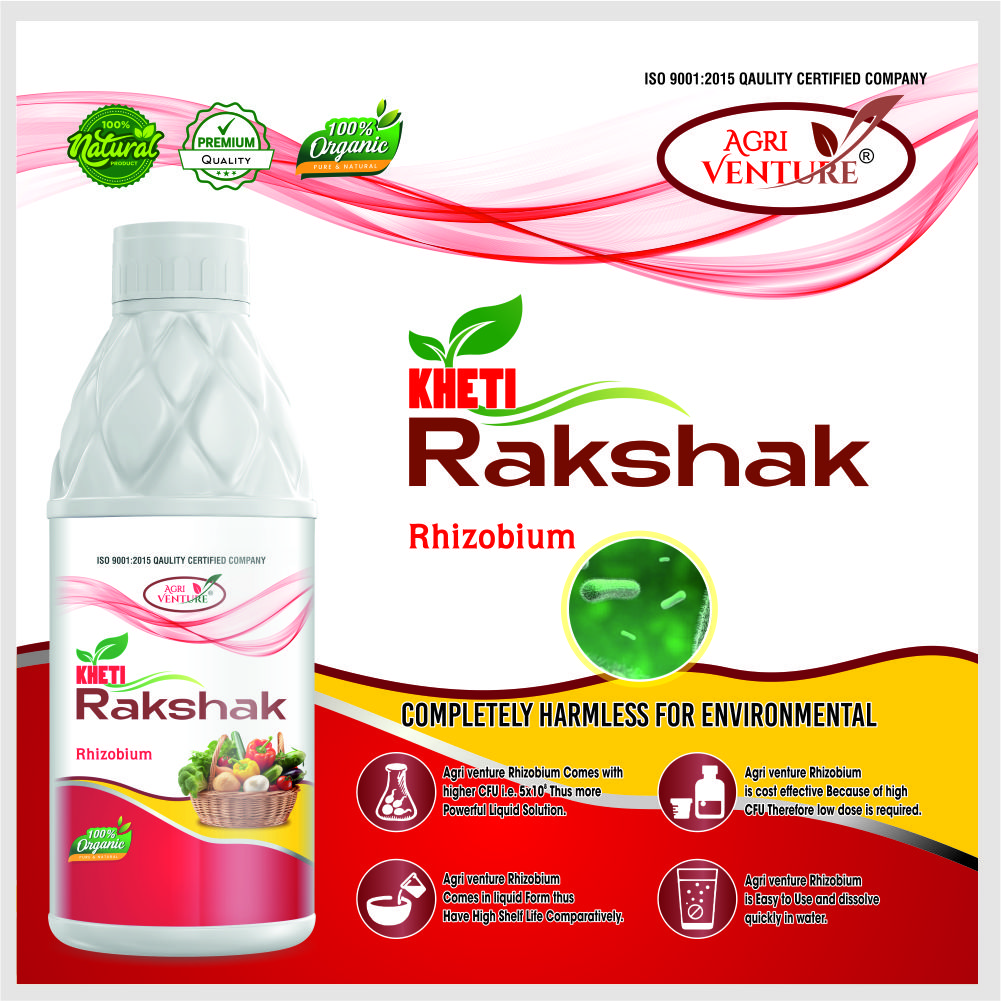
- Biological Nitrogen Fixation: They pull nitrogen directly from the air and provide it to the plant. It is estimated they can fix 12 to 18 kg of nitrogen per acre.
- Reduced Chemical Costs: Inoculating crops can save farmers 60 to 80 kg of urea per hectare, lowering reliance on expensive and environmentally taxing synthetic fertilizers.
- Improved Soil Health: Leftover root nodules decay and leave behind rich residual nitrogen, boosting soil quality for the next crop in your rotation.
- Enhanced Root Growth: Bacteria promote healthy root development, improving the plant’s overall nutrient uptake and stress tolerance.
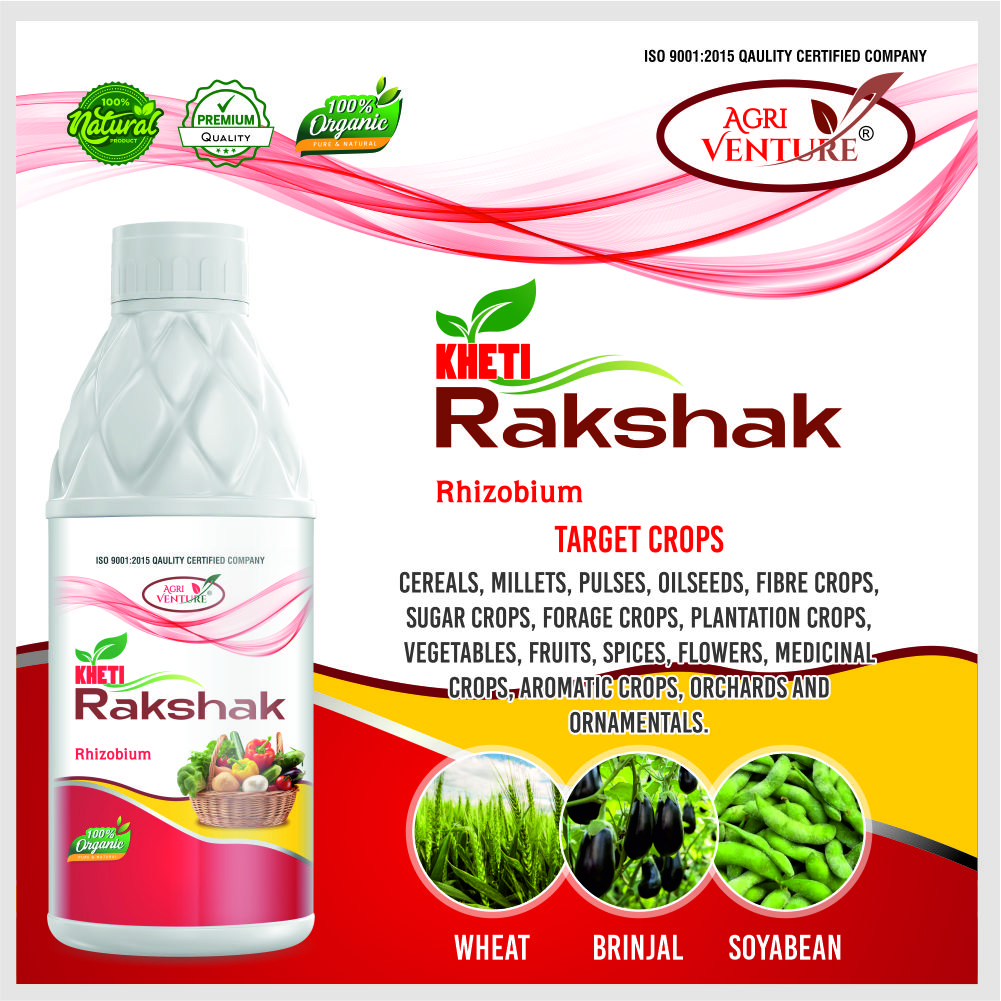
Crops suitability: Peas, Chickpeas, Lentils, And Beans, Soybeans, Peanuts, Alfalfa (Lucerne), Clover, Tomatoes
Commonly used for (Insect / Diseases):
Rhizobium is primarily used as a symbiotic nitrogen-fixing biofertilizer, not as an insecticide or direct disease-curing agent. However, specific strains indirectly help leguminous crops by triggering Systemic Acquired Resistance (SAR) against certain root-rot diseases and reducing the need for chemical fertilizers.
Mode of entry: Rhizobium is typically applied through soil inoculation to colonize the root zone (rhizosphere).
Mode of action:
- Chemical Signalling & Attraction: Legume roots release specific chemical compounds (flavonoids) into the soil, which attract Rhizobium bacteria to the root hairs.
- Root Hair Curling: In response to the flavonoids, the bacteria produce "Nod factors," which force the plant's root hairs to curl and trap the bacteria.
- Nodule Formation: The bacteria penetrate the root tissue through an "infection thread". This invasion triggers the plant cells to rapidly divide, resulting in the creation of characteristic root nodules.
- Biological Nitrogen Fixation (BNF): Inside these nodules, the bacteria transform into "bacteroids". Using the enzyme nitrogenase, they convert atmospheric nitrogen (N₂) into ammonia (NH₃).
- Nutrient Exchange: The plant supplies the bacteria with carbon and energy derived from photosynthesis, while the bacteria provide the plant with bioavailable nitrogen needed for growth and protein synthesis.
Mode of application: Seed Treatment, Nursery Bed Treatment, Seedling/Root Dip, Soil Application, Drip Irrigation
Dose: 1 liter in 1 acre
Available Sizes
1 LTR
Dose
1 liter in 1 acre
Buy Now


×
![]()