

Call Anytime
+91 80878 67383AGRIVENTURE KHETI PRAGATI (Potassium Mobilizing Bacteria - KMB) - Bacterial Product
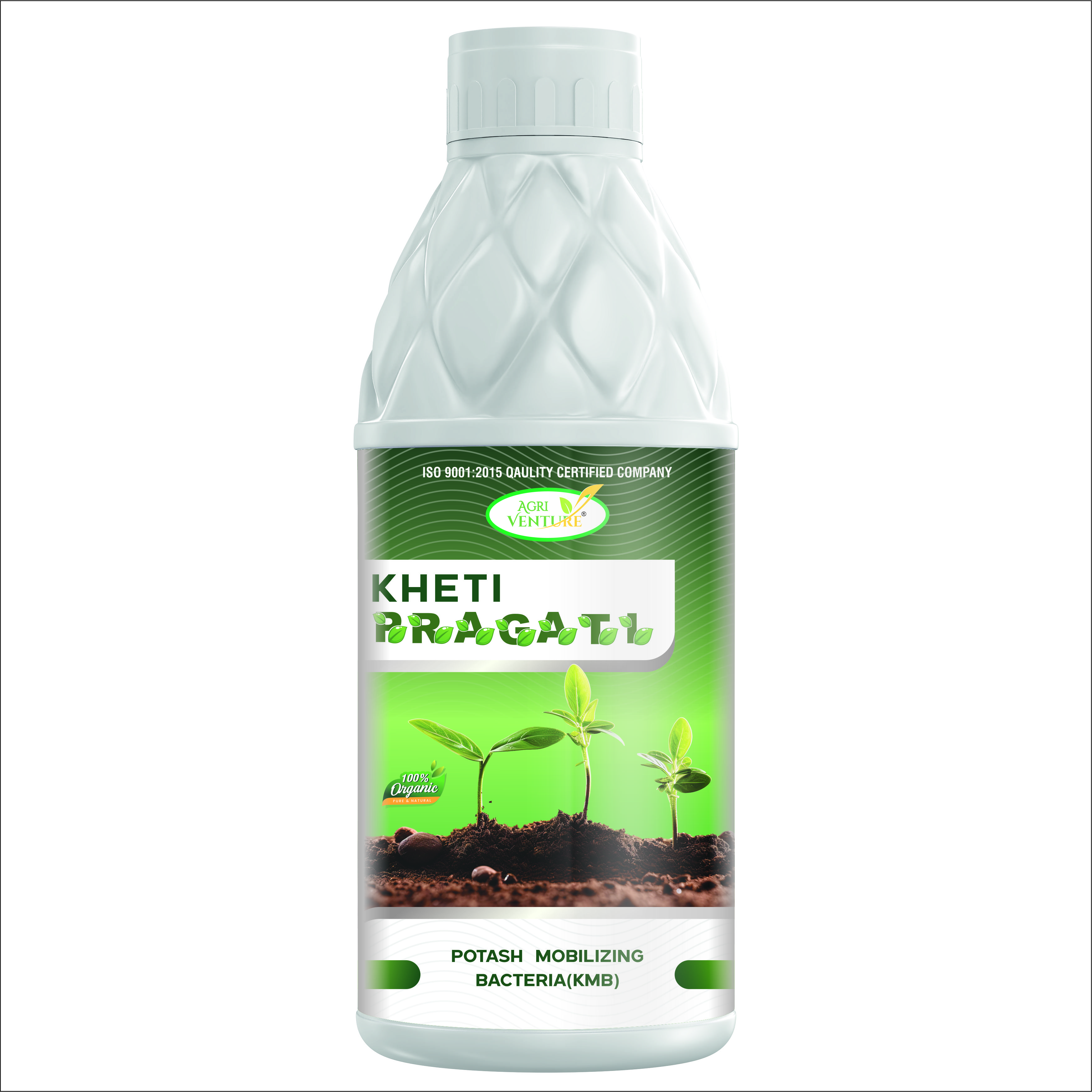

AGRIVENTURE KHETI PRAGATI (Potassium Mobilizing Bacteria - KMB) - Bacterial Product
Description:
AGRIVENTURE KHETI PRAGATI are beneficial soil microbes that solubilize insoluble, fixed potassium in the soil into plant-absorbable forms. By converting unavailable potash into usable nutrients, KMB enhances crop yields, lowers chemical fertilizer costs, and improves overall soil health and disease resistance.
Technical content: Potassium Mobilizing Bacteria - KMB
Key Features & Benefits:
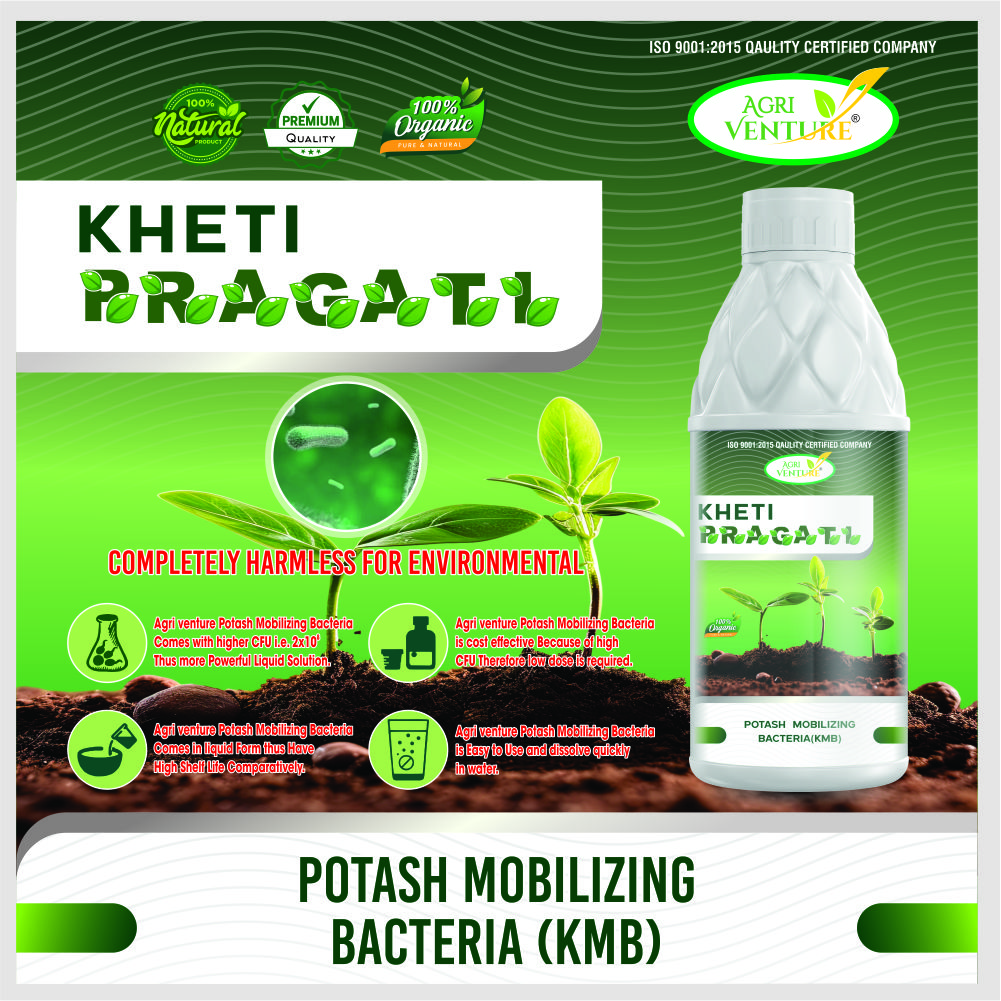
- Increased Nutrient Efficiency: Unlocks dormant potash in the soil, protecting crops against potassium deficiency.
- Reduced Costs: Cuts dependency on expensive synthetic chemical potash fertilizers, reducing input costs.
- Improved Crop Quality: Promotes healthier root development, better fruit sizing, uniform grain filling, and enhanced shelf life.
- Stress Tolerance: Enhances plant resilience against abiotic and biotic stresses, including drought.
- Soil Health: Improves the overall microbial community, enriching long-term soil fertility and organic content.
- Organic Acid Secretion: Bacteria produce specific organic acids (like citric and gluconic acid) that dissolve insoluble silicate minerals in the soil.
- Rhizosphere Colonization: KMB thrives in the soil zone directly around plant roots (the rhizosphere), establishing a strong symbiotic relationship with crops.
- High Tolerance: These microorganisms are highly resilient, adapting to a wide range of soil pH levels and temperature fluctuations.
- Rapid Action: Field applications can begin unlocking significant percentages of fixed soil potassium within just 25 days.
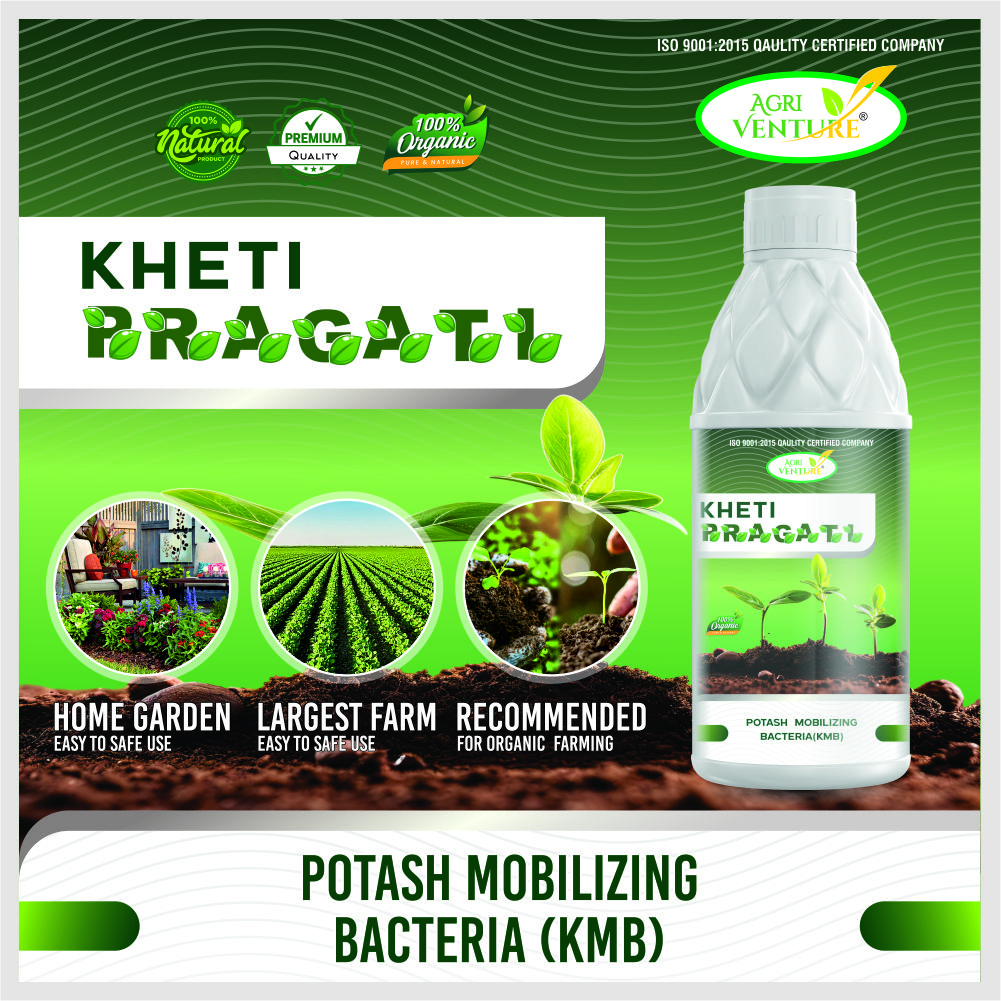
- Versatile Application: Can be utilized across all crop types (grains, pulses, fruits, vegetables) via seed treatments, soil drenching, or drip irrigation.
Crops suitability:
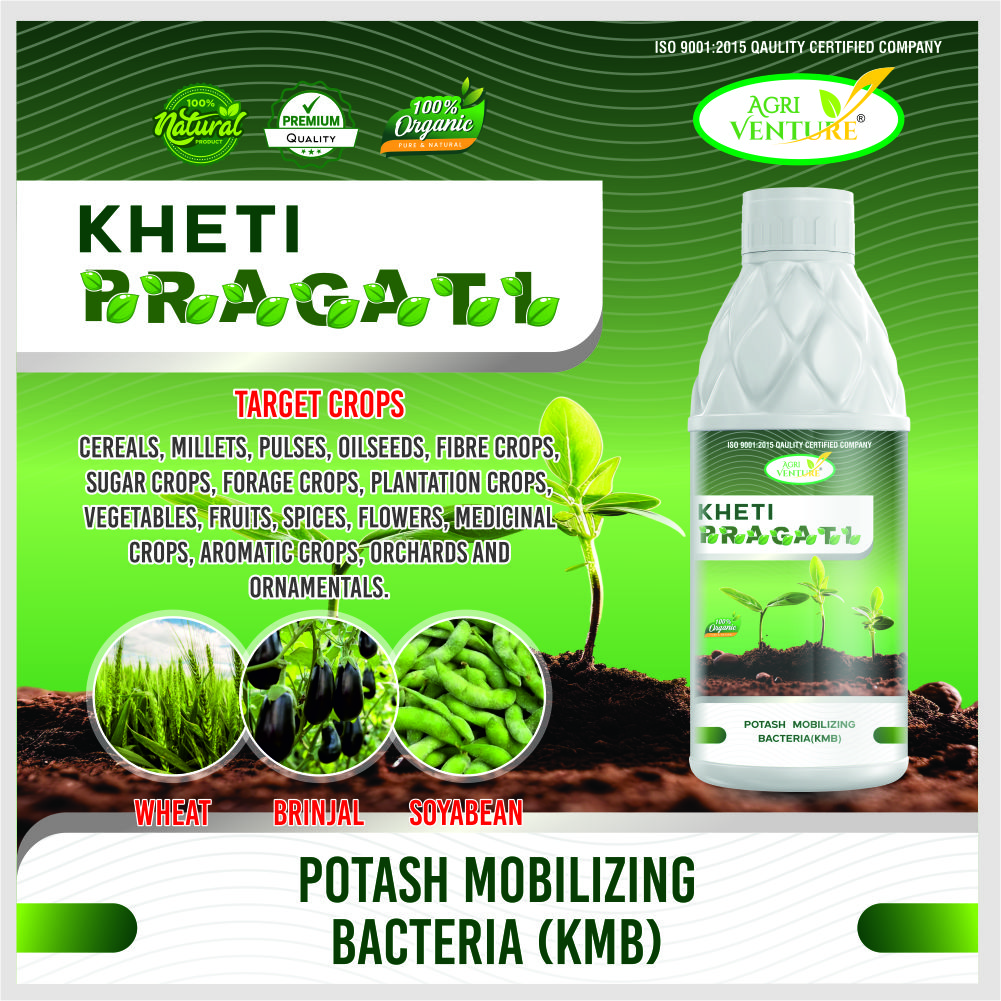
- Cereals & Grains: Wheat, rice, maize, and millets.
- Pulses & Oilseeds: Soybean, chickpeas, lentils, and groundnuts.
- Cash Crops: Sugarcane, cotton, and tobacco.
- Fruits: Pomegranate, banana, mango, grapes, citrus fruits, and apple.
- Vegetables: Tomato, chili, onion, potato, brinjal, cabbage, and cauliflower.
- Plantation & Beverages: Tea, coffee, cardamom, pepper, and arecanut.
Commonly used for (Insect / Diseases):
Instead of targeting specific insects, KMB acts as a general preventative and resilience booster. By ensuring optimal potassium and silica uptake, it helps crops naturally defend against:
- Sucking Pests & Borers: Thicker cell walls—supported by KMB-induced silica uptake—make it harder for insects (like aphids, jassids, and borers) to penetrate leaves and stems.
- Fungal & Bacterial Diseases: Stronger cuticles improve general disease resistance, helping defend against common agricultural ailments such as:
- Powdery mildew
- Leaf spots and blights
- Root rots (by promoting a robust root system)
- Abiotic Stresses: Improves drought and lodging (stem falling) resistance.
Mode of entry: KMB is typically applied through soil inoculation to colonize the root zone (rhizosphere).
Mode of action:
- Organic Acid Production: KMB metabolizes and secretes organic acids (such as citric, oxalic, and tartaric acid) which lower the local pH and dissolve insoluble potassium minerals like mica, illite, and feldspar.
- Acidolysis: The secreted organic and inorganic acids break down soil silicates, releasing the trapped K⁺ ions into the soil solution.
- Enzyme Action: They produce specific enzymes and polysaccharides that aid in complex lysis (the breakdown of complex organic molecules), freeing up bound potassium for absorption.
- Chelation: The bacteria release chelating agents that bind with metals associated with potassium minerals, thereby freeing the potassium to be taken up by the roots.
- Phytohormone Secretion: Beyond nutrient mobilization, KMB promotes plant growth by secreting phytohormones like auxins and gibberellins, which stimulate rapid root development for better water and nutrient uptake.
- Rhizosphere Colonization: KMB actively populates the root zone (rhizosphere), ensuring a continuous, localized supply of available potassium directly to the plant throughout its growth cycle.
Mode of application: Seed Treatment, Nursery Bed Treatment, Seedling/Root Dip, Soil Application, Drip Irrigation
Dose: 1 liter in 1 acre
Available Sizes
1 LTR
Dose
1 liter in 1 acre
Buy Now


×
![]()