Call Anytime
+91 80878 67383AGRIVENTURE SANGATHI PLUS (Trichoderma Harizianum - 1%) - Bacterial Product
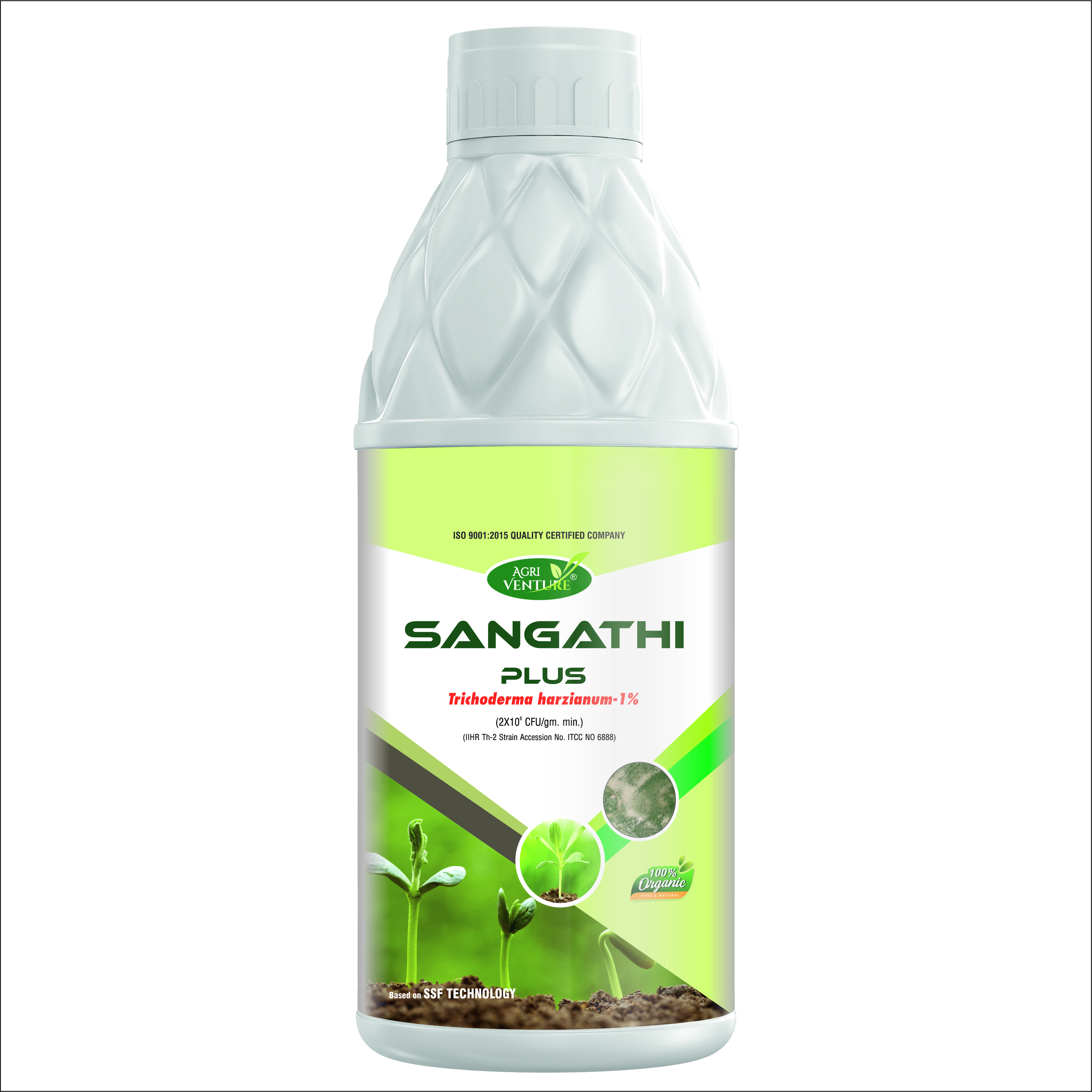
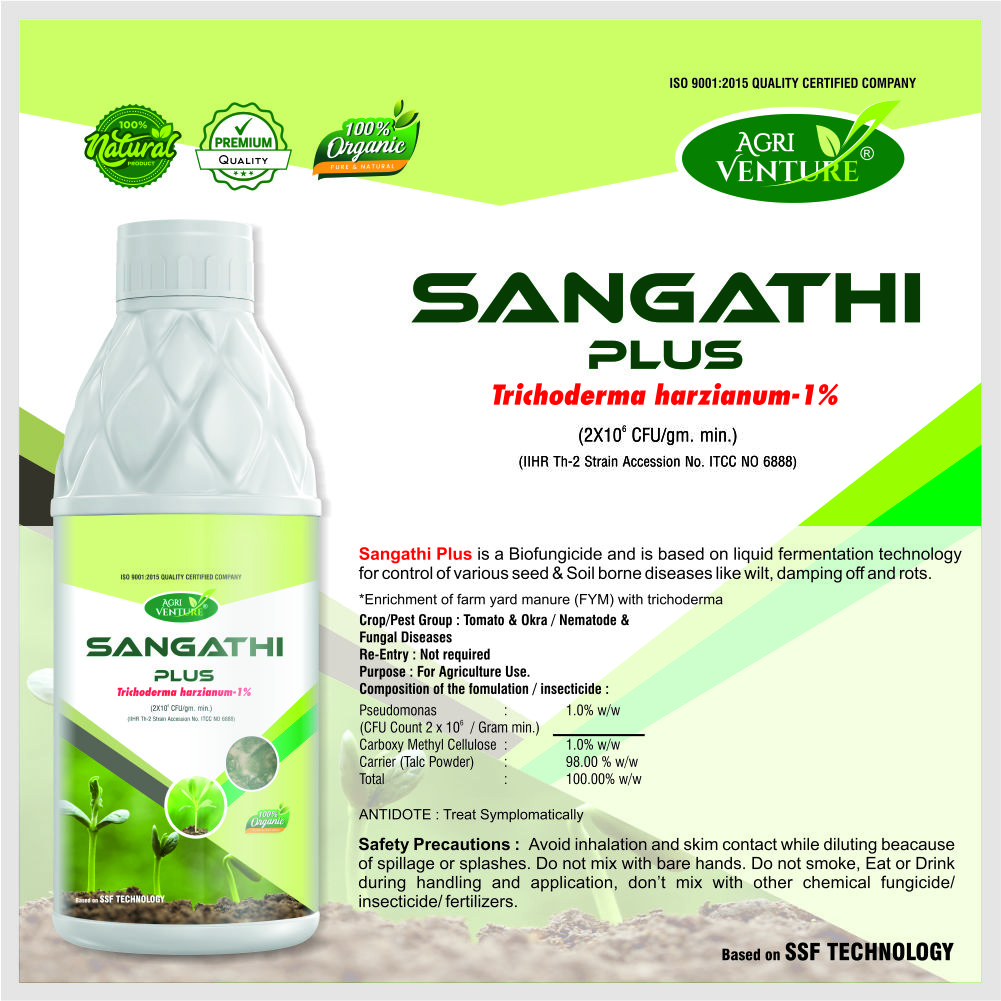
AGRIVENTURE SANGATHI PLUS (Trichoderma Harizianum - 1%) - Bacterial Product
Description:
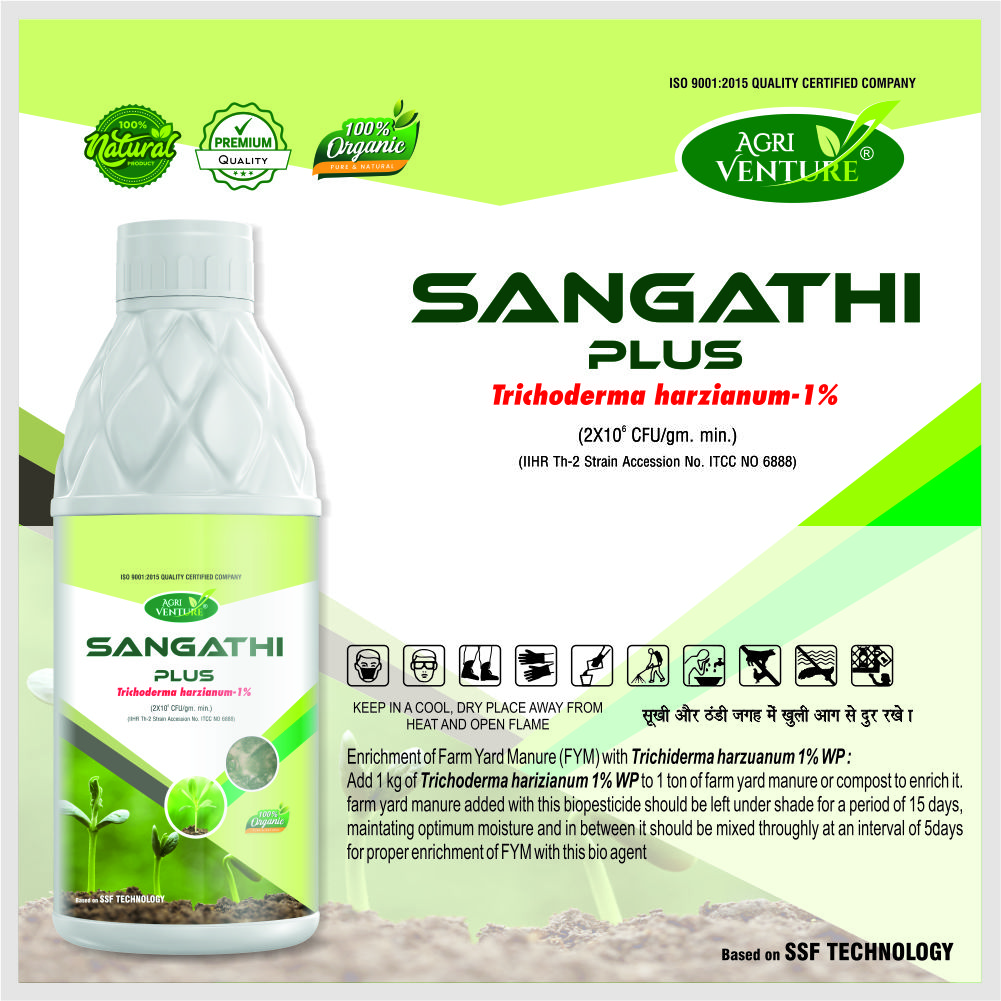
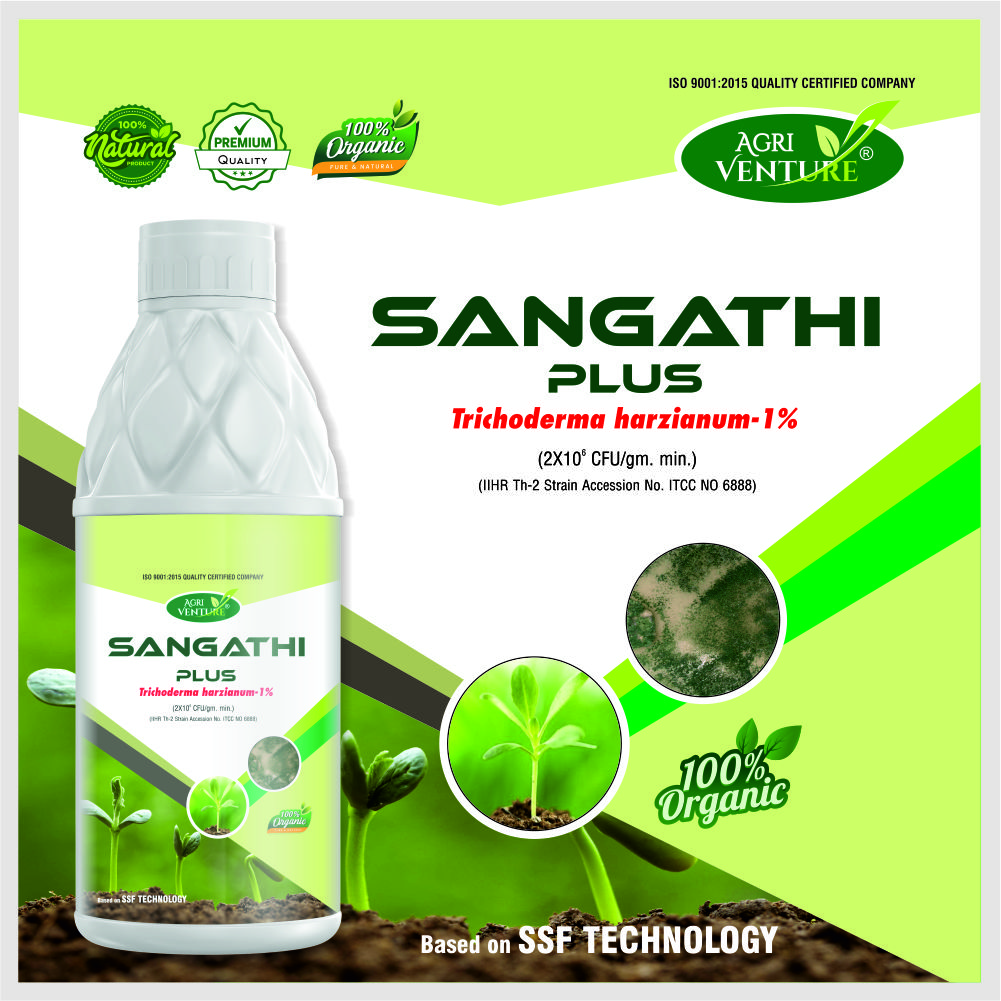
AGRIVENTURE SANGATHI PLUS is an eco-friendly biological fungicide and nematicide used in organic and sustainable agriculture. It contains a minimum spore/CFU count of 2 × 10⁶ per gram and protects crops by parasitizing harmful soil-borne pathogens.
Technical content: Trichoderma Harzianum - 1% WP
Key Features & Benefits:
- Disease Suppression: Naturally prevents soil-borne fungal pathogens such as Fusarium, Pythium, Rhizoctonia, Phytophthora, and Sclerotinia.
- Nematode Control: Effectively parasitizes plant-parasitic nematodes, reducing egg hatching and protecting roots from root-knot nematodes.
- Root & Shoot Growth: Produces growth-promoting metabolites that stimulate extensive root hair formation for better nutrient and water absorption.
- Nutrient Solubilization: Converts fixed or insoluble soil nutrients (like phosphorus, iron, and manganese) into easily accessible forms for the plant.
- Induced Systemic Resistance (ISR): Triggers a plant's natural defense mechanism, improving its tolerance to abiotic stresses like drought and temperature extremes.
Crops suitability:
- Vegetables: Tomato, Okra, Brinjal, Potato, Chili, Capsicum, Onion, Peas, Beans.
- Fruits: Apple, Citrus, Grapes, Pomegranate, Banana.
- Cereals & Pulses: Paddy, Maize, Wheat, and various pulses.
- Cash Crops & Spices: Cotton, Ginger, Turmeric, Cardamom.
- Plantations: Tea, Coffee.
- Oilseeds: Groundnut, Soybean, Mustard, etc.
Commonly used for (Insect / Diseases):
- Fungal Pathogens: Fusarium, Rhizoctonia, Pythium, Sclerotinia, Phytophthora (causes root rot, wilt, and damping-off).
- Nematodes: Meloidogyne (Root-knot nematodes).
Mode of entry: Contact and Systemic (via root colonization)
Mode of action:
The formulation operates through five distinct mechanisms to protect crops and boost vitality:
- Mycoparasitism: The Trichoderma fungi actively grow towards and coil around pathogenic fungi. They secrete chitinolytic enzymes (such as chitinases and glucanases) that dissolve and break down the cell walls of pathogens.
- Competition: It acts as a contact-based inoculant that rapidly colonizes the root zone (rhizosphere). By doing so, it aggressively competes for essential space and soil nutrients, starving harmful pathogens before they can establish themselves.
- Antibiosis: It secretes toxic secondary metabolites and enzymes (like gliotoxin, viridin, and trichodermin) that directly inhibit the growth and development of plant-damaging fungi.
- Induced Systemic Resistance (ISR): It triggers the plant’s internal defense mechanisms, making the plant more robust against subsequent foliar and root diseases.
- Plant Growth Promotion: The beneficial fungus produces organic acids and enzymes (like ACC-deaminase and IAA) that enhance root development, break down organic matter, and improve overall nutrient uptake.
Mode of application: Seed Treatment, Nursery Bed Treatment, Seedling/Root Dip, Soil Application, Drip Irrigation
Dose: 1 liter in 1 acre
Additional information:
- Chemical Incompatibility: Do NOT mix Trichoderma with chemical bactericides or synthetic fungicides, as they will kill the beneficial live spores. Maintain a gap of 10–15 days before or after any chemical spray.
- Organic Compatibility: Completely safe and highly effective to use alongside biofertilizers, farm yard manure (FYM), and Pseudomonas fluorescens.
- Storage: Store in a cool, dry place away from direct sunlight to maintain a high Colony Forming Unit (CFU) count.
Available Sizes
1 LTR
Dose
1 liter in 1 acre
Buy Now



×
![]()