

Call Anytime
+91 80878 67383AGRIVENTURE KHETI PRASAR (Phosphate Solubilinsing Fungi – PSF) - Bacterial Product
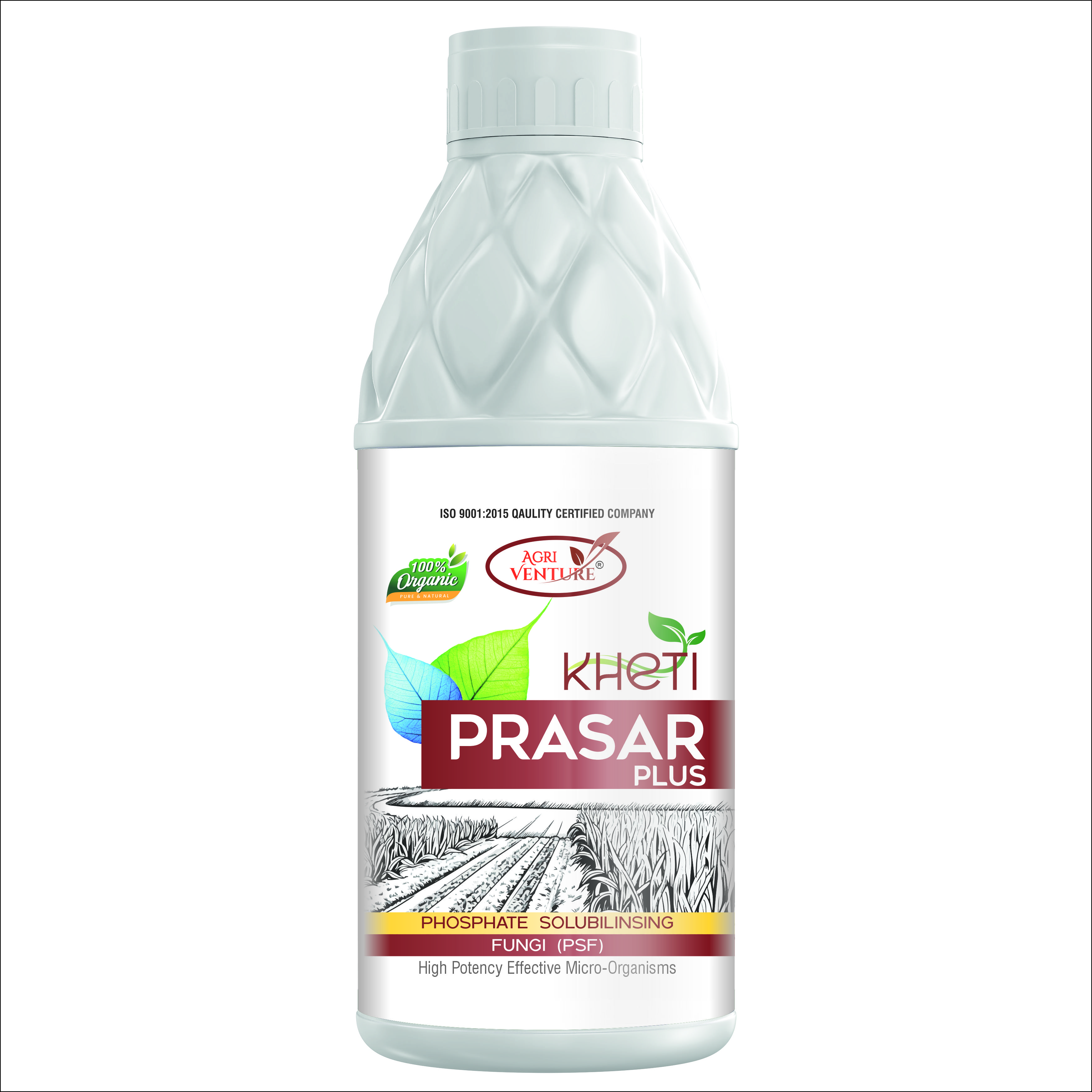
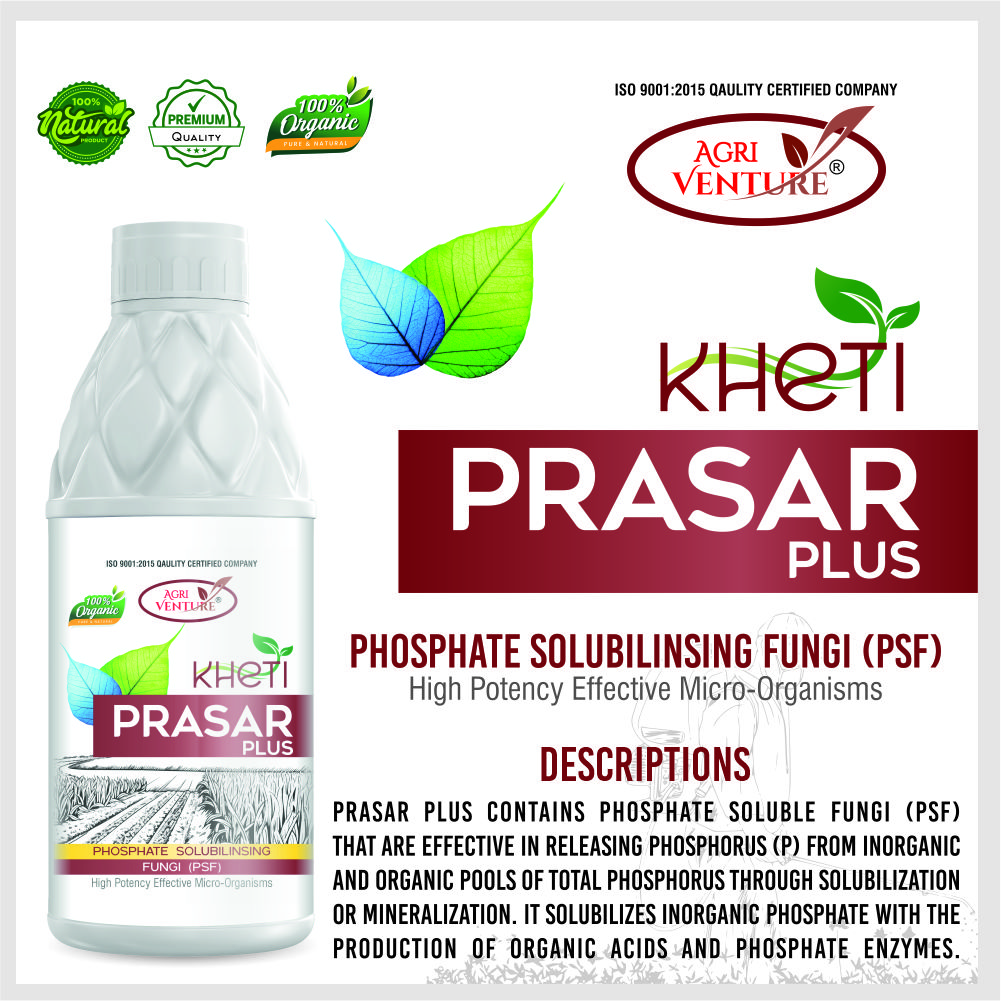
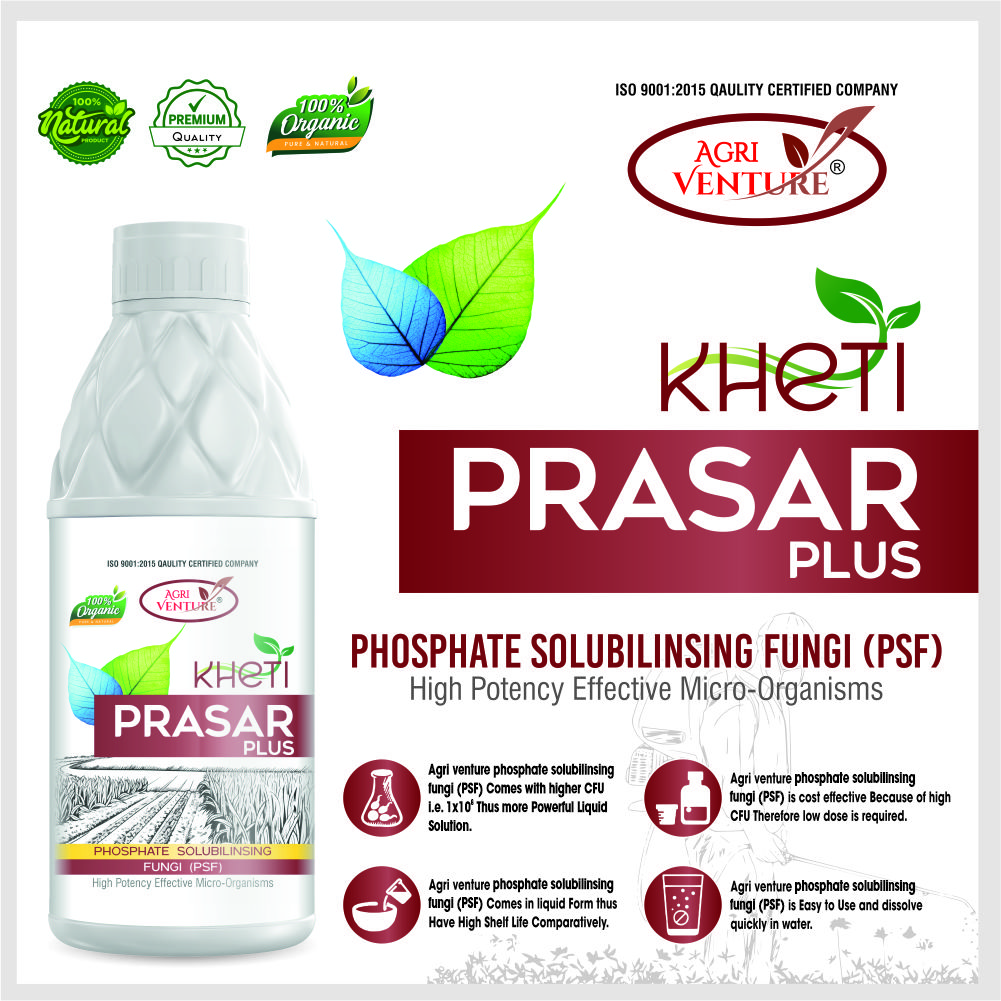
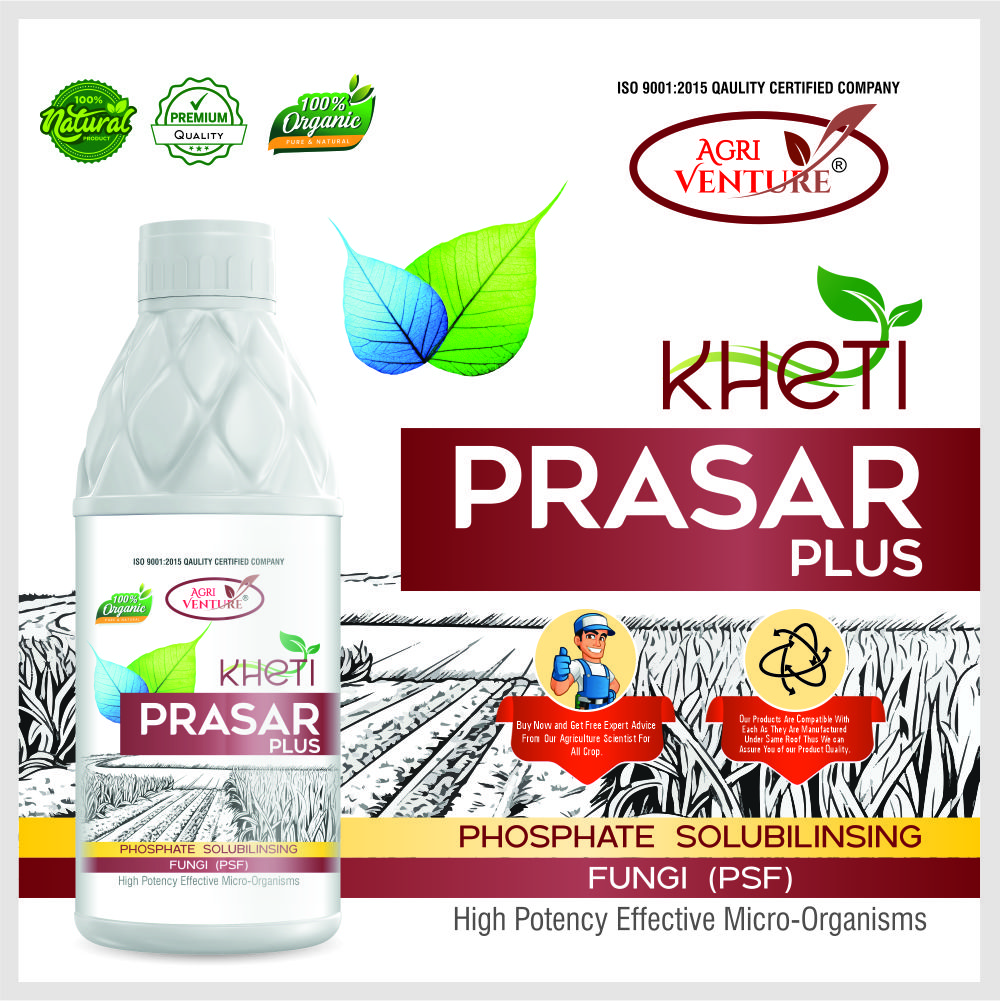

AGRIVENTURE KHETI PRASAR (Phosphate Solubilinsing Fungi – PSF) - Bacterial Product
Description:
AGRIVENTURE KHETI PRASAR is beneficial soil fungi that convert insoluble, "locked-up" soil phosphorus into plant-available forms. Acting as highly effective, eco-friendly biofertilizers, they increase crop yields, promote root development, and reduce agricultural reliance on expensive chemical fertilizers.
Technical content: Phosphate Solubilinsing Fungi – PSF
Key Features & Benefits:
- Superior Phosphorus Mobilization: PSF are highly effective at breaking down locked forms of phosphorus (like tricalcium phosphate and rock phosphate) in the soil.
- Extensive Hyphal Network: Unlike bacteria, fungi form expansive hyphal networks that can penetrate deep into soil aggregates, giving them a much wider foraging range to access nutrients.
- Organic Acid Production: They secrete large amounts of organic acids (e.g., citric, oxalic, and gluconic acids), which lower localized soil pH to dissolve mineral phosphates.
- Phytohormone Synthesis: Many PSF strains (such as Aspergillus, Penicillium, and Trichoderma) promote plant growth by producing natural hormones like auxins and gibberellins.
- Improved Stress & Disease Tolerance: PSF help plants withstand abiotic stresses (like drought or salinity) and outcompete or suppress harmful soil-borne pathogens.
- Increased Crop Yields: By optimizing nutrient uptake, crops can see yield increases of 10% to 25% while simultaneously reducing reliance on expensive synthetic chemical fertilizers.
Crops suitability: Rice, Wheat, Maize, Sorghum, Chickpeas, Lentils, Pigeon peas, Cotton, Sugarcane, Soybeans, Tomatoes, Potatoes, Bananas, Citrus
Commonly used for (Insect / Diseases):
PSF aren't targeted for insects in the way traditional synthetic insecticides are. Instead, they act as biocontrol agents that outcompete plant pathogens and strengthen the plant's systemic resistance against pests and diseases.
Mode of entry: PSF is typically applied through soil inoculation to colonize the root zone (rhizosphere).
Mode of action:
- Organic Acid Production: PSF excrete low-molecular-weight organic acids (e.g., gluconic, citric, lactic, and malic acids). These acids lower the local soil pH and facilitate the release of PO₄³⁻ ions through anion exchange.
- Proton (Acid) Extrusion: Fungi release protons into the rhizosphere, creating an acidic environment that directly dissolves insoluble minerals like tricalcium phosphate.
- Enzymatic Mineralization: PSF produce phosphatases (acid and alkaline) and phytases, which break down complex organic phosphorus compounds (e.g., phytic acid) into simple inorganic orthophosphates that plants can readily absorb.
- Chelation & Complexation: The hydroxyl and carboxyl groups in fungal organic acids chelate cations like Ca²⁺, Fe³⁺, and Al³⁺ bound to phosphates. This frees the phosphorus to dissolve in the soil solution.
Mode of application: Seed treatments, Soil drenching or Seedling root-dipping
Dose: 1 liter in 1 acre
Available Sizes
1 LTR
Dose
1 liter in 1 acre
Buy Now


×
![]()