Call Anytime
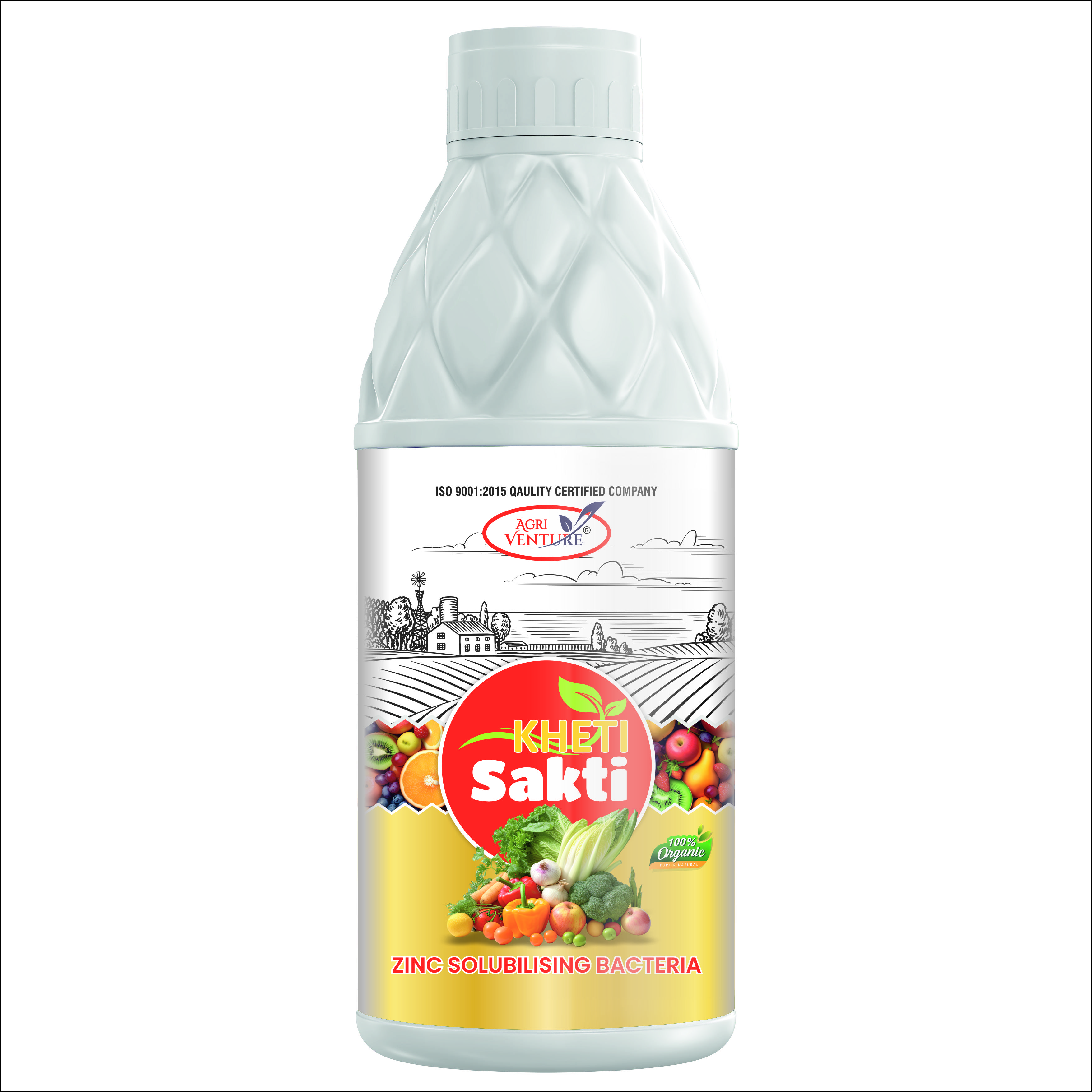
+91 80878 67383AGRIVENTURE KHETI SAKTI (Zinc Solubilinsing Bacteria - ZSB) - Bacterial Product
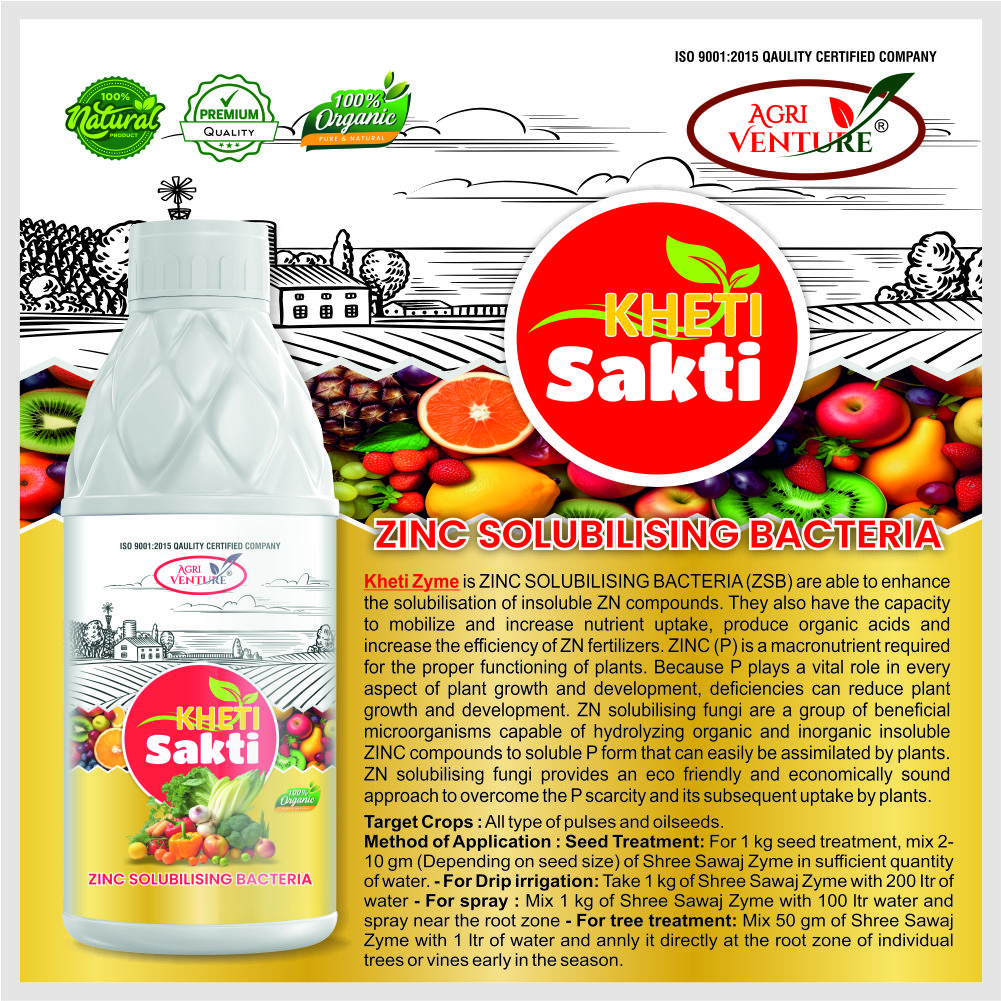
AGRIVENTURE KHETI SAKTI (Zinc Solubilinsing Bacteria - ZSB) - Bacterial Product
Description:
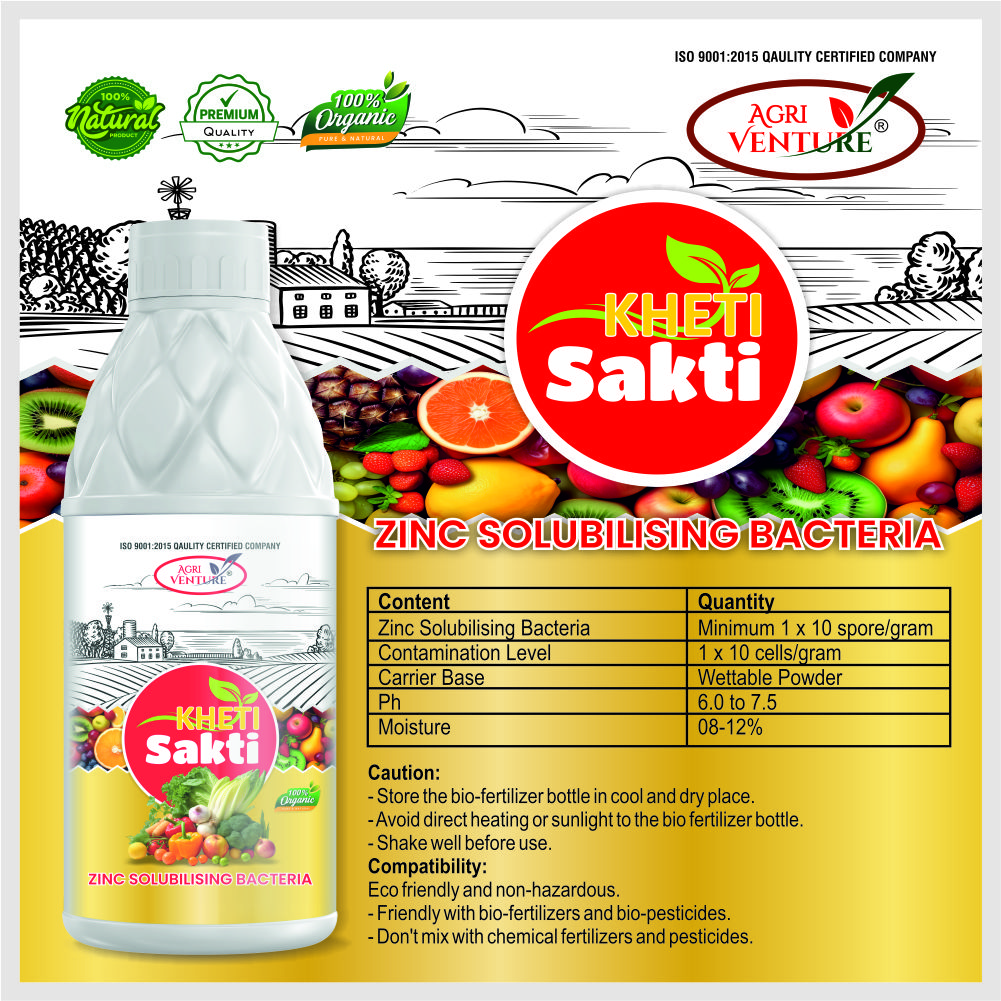
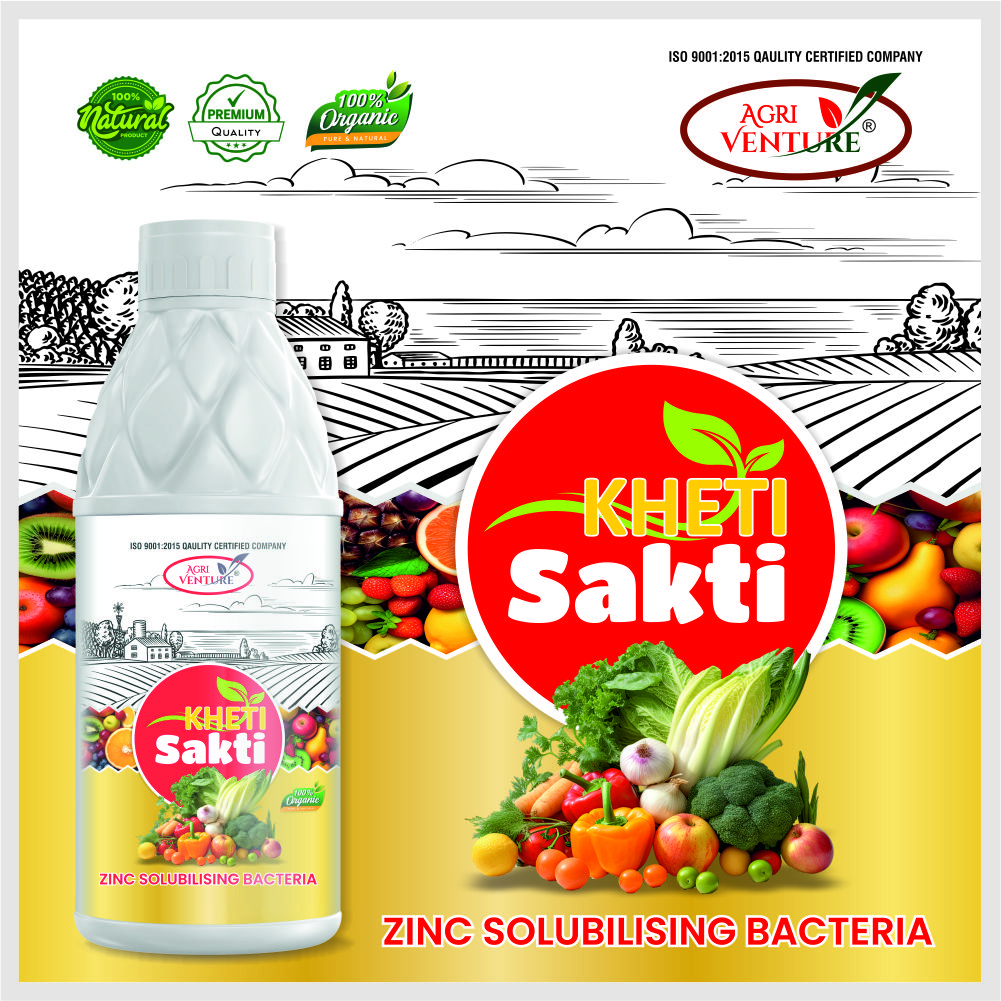
AGRIVENTURE KHETI SAKTI is beneficial soil microorganisms used as eco-friendly biofertilizers. They convert insoluble forms of zinc (like zinc oxide and zinc carbonate) into plant-available Zn²⁺. ZSB improve crop yields, naturally enhance nutrient uptake, and act as a sustainable alternative to synthetic zinc fertilizers.
Technical content: Zinc Solubilinsing Bacteria - ZSB
Key Features & Benefits:
- Enhanced Nutrient Availability: Unlocks unavailable zinc reserves natively present in all soils, making it accessible for plant uptake.
- Microbial Biofortification: Increases zinc concentration directly in edible plant parts (like grains and produce), combating dietary zinc deficiencies.
- Higher Crop Yields: Promotes better flowering, fruit set, and grain filling, translating to improved overall harvest size.
- Cost Reduction: Minimizes the need for expensive chemical inputs like Zinc Sulphate (ZnSO₄), lowering total farming costs.
- Stress Tolerance: Improves the plant's natural defense against diseases and abiotic stresses like drought or salinity.
Crops suitability: Rice, Wheat, Maize, various Pulses, Tomatoes, Chili, Onions, Pomegranate, Banana, Citrus
Commonly used for (Insect / Diseases):
- Khaira Disease in Paddy: ZSB is widely renowned for preventing and managing this specific condition, which is caused by zinc deficiency in transplanted rice.
- Root & Stem Rots: Strengthens the plant's natural defense mechanisms to fight off soil-borne fungal pathogens like Fusarium and Pythium.
- Bacterial Blight / Leaf Spots: By regulating internal physiology and producing antimicrobial compounds, ZSB can help plants tolerate biotic stresses and resist foliar infections.
- Mode of entry: ZSB is typically applied through soil inoculation to colonize the root zone (rhizosphere).
Mode of action:
- Organic Acid Production: ZSB produce low molecular weight organic acids (such as gluconic, citric, oxalic, and lactic acids). These acids lower the soil pH in the root zone (rhizosphere), which dissolves insoluble zinc complexes and releases the metal for root absorption.
- Chelation and Siderophore Secretion: Bacteria secrete specific chelating agents and siderophores that bind to insoluble zinc. This converts the zinc into a stable, soluble, and easily transportable form that plants can readily uptake.
- Proton Extrusion: ZSB actively extrude protons into the surrounding soil, creating an acidic environment that facilitates the breakdown and release of zinc ions.
- Phytohormone Production: ZSB promote overall plant growth by secreting growth-promoting hormones such as Indole Acetic Acid (IAA) and gibberellins. This stimulates robust root development, which physically increases the plant's surface area for nutrient absorption.
- Indirect Pathogen Suppression: These bacteria help plants tolerate environmental and biotic stresses by producing antibiotics that suppress harmful phytopathogens.
Mode of application: Seed treatments, Soil drenching or Seedling root-dipping
Dose: 1 liter in 1 acre
Available Sizes
1 LTR
Dose
1 liter in 1 acre
Buy Now


×
![]()